










































Top 5 Essential Elements for Creating a Japanese-Style Interior

Source: Freepik
Japanese style captivates with its simplicity and sense of balance. This aesthetic is based on simplicity and harmony with nature. Each element has a specific function and contributes to a calming atmosphere. Find the essential elements for creating a Japanese-style interior in this review.
1. Tatami Mats
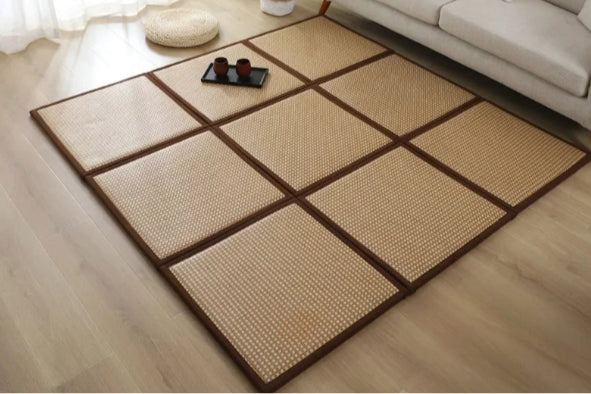
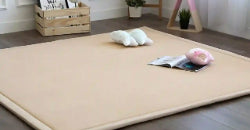
Tatami mats are a central element of Japanese style and immediately bring an authentic atmosphere to a room. Made with compressed rice straw and covered with woven rush, they offer a natural texture and a comfortable feel underfoot. Their neutral and soft color harmonizes with materials such as light wood or ceramic, creating a balanced and soothing ensemble. In a contemporary interior, tatami mats allow you to structure different areas of a room while maintaining harmonious circulation. Their surface remains pleasant to the touch and invites relaxation, rest, or meditation.
The arrangement of tatami mats follows precise dimension standards, allowing for the creation of modular and aesthetic spaces. Furniture is rarely placed directly on them to preserve their texture. In a living room or bedroom, they naturally define living areas, bringing a subtle and elegant visual rhythm. The presence of tatami mats transforms an ordinary floor into a true decorative element, while reinforcing the minimalism of Japanese style.
2. Sliding Doors
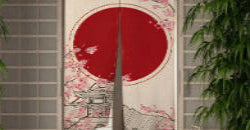
In a Japanese interior, sliding doors play both a functional and aesthetic role. Made with a wooden frame and rice paper or translucent material panels, they allow spaces to be delimited while letting natural light pass through. Their minimalist design contributes to the harmony of the room and promotes a serene and uncluttered atmosphere. These light structures replace classic partitions, offering fluid circulation. They become a central element of interior architecture, balancing functionality and beauty.
Adapting sliding doors to modern homes remains very simple. They can be integrated into a living room, bedroom, or entrance, maintaining their traditional appearance while combining with contemporary materials like frosted glass or light wood. The partial transparency of the panels allows soft light to filter through, subtly animating the volumes and creating delicate contrasts. Their presence allows for elegant spatial structuring without visual clutter, which is essential for respecting Japanese minimalism. These doors reinforce the identity of Japanese style while perfectly integrating into modern interiors.
3. Low Furniture
Japanese interiors favor furniture close to the floor to create a calm and harmonious atmosphere. Low tables, seating, and short shelves help organize the space while maintaining natural and clear circulation. The lines remain simple and clean, highlighting natural materials. This type of arrangement also offers openness in the room, enhancing well-being and balance.
To furnish a living room or dining room in this style, you should:
- install a solid wood coffee table;
- arrange thick cushions or zabutons;
- choose low shelves;
- limit the number of pieces of furniture; and
- select natural materials.
This minimalist and functional organization reflects the Japanese style and ensures an elegant and balanced interior.
4. Lanterns
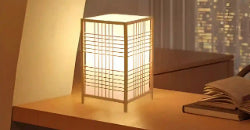
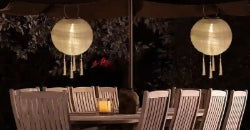
Present in many traditional interiors, lanterns play an important role in Japanese-inspired design. Their design often combines a light wood or bamboo structure with translucent paper. This material filters light and spreads a delicately softened luminosity throughout the room. This approach perfectly aligns with the principles of Japanese style, which favors sobriety and natural materials. In a living room or bedroom, a hanging lantern creates a soothing atmosphere without cluttering the space. Shapes generally remain simple, round or cylindrical, to preserve a clean aesthetic. This type of lighting easily integrates into a contemporary interior while maintaining a traditional inspiration.
In Japanese decor, the lantern is not limited to lighting. It also participates in the visual composition of the room. It also contributes to the composition of the room. Placed on the ceiling, on a low piece of furniture, or near a wall, it helps structure the general atmosphere. White paper models are the most common, as they diffuse a soft and pleasant light. Some versions also use fabric or bamboo to add an extra natural texture. In a Japanese-inspired interior, several lanterns can be installed in different places to create a warm and harmonious atmosphere.
5. Japanese Prints
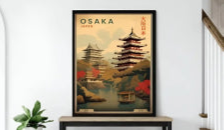
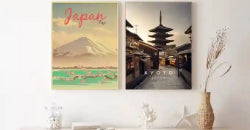
Japanese prints add a refined artistic touch to a Japanese-inspired interior. These traditional works, called ukiyo-e, illustrate landscapes, daily scenes, or emblematic portraits with precise lines and harmonious colors. Their presence creates a visual focal point that enriches the room while respecting the sobriety and balance characteristic of Japanese style. They introduce a cultural and narrative dimension, linking history and tradition to contemporary decor.
To effectively integrate these prints, moderation is essential. One or two framed works are enough to enhance a wall without cluttering it. Vertical or rectangular formats adapt to narrow spaces, and natural colors reinforce the ambient serenity. Placed near certain elements, they contribute to a harmonious and coherent composition. The alternation of textures between wood, paper, and surrounding fabrics accentuates the soothing and authentic effect. Well-chosen and carefully positioned, these prints become essential decorative pieces for creating a balanced and aesthetic Japanese interior.
What Japanese decorative objects can be used for a modern interior?

Source: Freepik
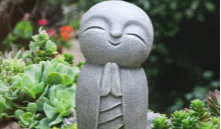
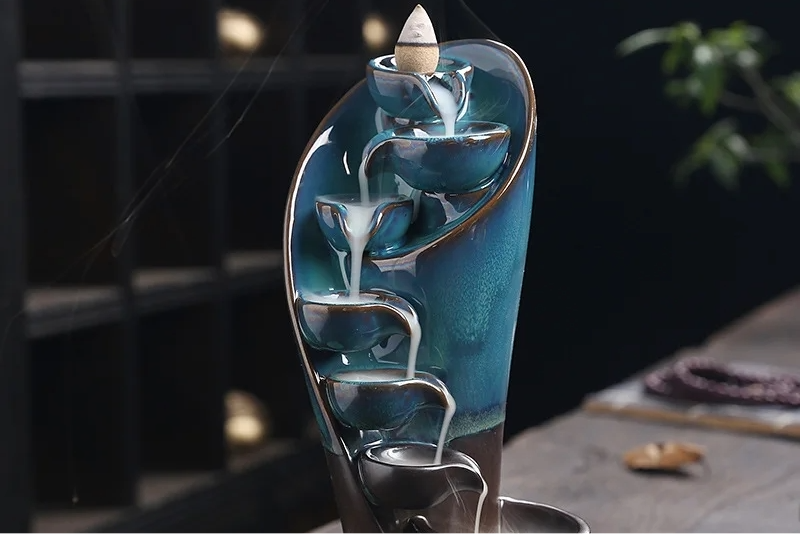
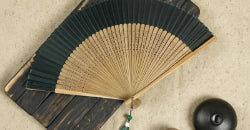
A modern interior can draw inspiration from traditional Japanese codes while remaining clean and functional. Certain emblematic objects bring a touch of authenticity and serenity without cluttering the space. Their judicious choice allows for the creation of a harmonious atmosphere combining traditional aesthetics and contemporary comfort.
|
Decorative Object |
Description |
Use in a Modern Interior |
|
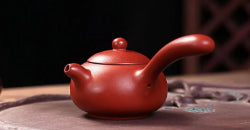
Terracotta pieces |
Handcrafted ceramics with subtle patterns |
Placed on shelves or low tables to introduce an artisanal touch |
|
Small hanging bells |
Wind chimes in metal or bamboo |
Hung near windows or in an indoor garden for a soft sound ambiance |
|
Figurines or abstract wooden forms |
Sculptures inspired by Japanese art |
Arranged on a low cabinet or console to punctuate the space |
|
Decorative screen |
Light panels with subtle patterns |
Used to define a space or create a visual focal point |
What mistakes should be avoided in Japanese decor?
Adopting the Japanese style requires prioritizing sobriety and balance. One common pitfall is to overcrowd spaces with too many objects or furniture. Rooms should remain airy so that light circulates freely and each element finds its place. The accumulation of bright colors or busy patterns breaks the natural harmony and diminishes the desired calming effect.
It is also important to maintain consistency in materials and textures. Mixing too many different styles or introducing massive and imposing elements compromises Japanese aesthetics. Surfaces should remain clean, and decorations chosen with discernment. Light wood, paper, and ceramic provide essential visual continuity. Thus, an interior remains functional, elegant, and true to the Japanese spirit, where simplicity and balance guide every decorative choice.