

















What are the fashion trends in Japan?

Source: Freepik
Fashion in Japan fascinates with its diversity and its mix of tradition and modernity. It evolves between strict cultural codes and a very strong creative freedom. This contrast attracts attention worldwide. Discover everything you need to know about fashion in Japan in this review.
What are the different fashion styles in Japan?
Fashion is distinguished by a great diversity of styles, ranging from ancient traditions to the most modern urban trends. Each style reflects a very specific cultural, social, or generational context. Here is a table to identify the main fashion styles and their characteristics.
|
Fashion styles in Japan |
Main characteristics |
Contexts of use |
|
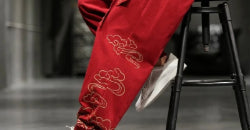
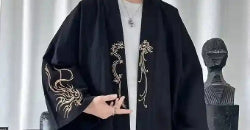
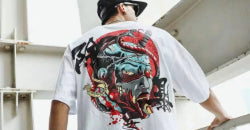
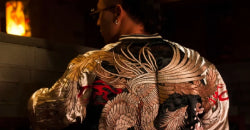
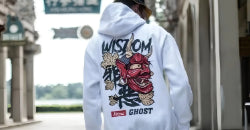
Japanese streetwear |
Loose clothing, layering, urban and pop culture influence |
Daily life, youth districts like Shibuya and Harajuku |
|
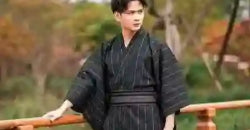
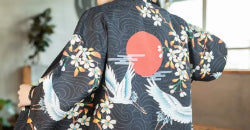
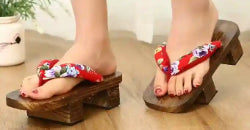
Traditional style |
Kimono, yukata, symbolic motifs and refined fabrics |
Ceremonies, festivals, cultural and family events |
|
Lolita fashion |
Lace, petticoats, Victorian or Rococo style, elaborate aesthetic |
Meetings between enthusiasts, alternative events |
|
Japanese minimalism |
Neutral colors, simple lines, discreet and functional elegance |
Work, urban commuting, daily life |
|
Kawaii fashion |
Pastel colors, playful accessories, childlike inspiration |
Pop culture, youth, festive events and leisure activities |
What are the current fashion trends in Japan?
Current fashion trends in Japan revolve around a balance between innovation and simplicity. Japanese designers favor clean silhouettes, often characterized by loose cuts and comfortable materials. This approach highlights a discreet aesthetic, while maintaining a strong visual identity. In large cities, monochromatic styles are gaining popularity and establishing themselves as a reference in the urban landscape.
At the same time, fashion in Japan is increasingly incorporating international influences, particularly through the mixing of genres and textures. Young people adopt hybrid outfits, combining vintage pieces and contemporary elements. Pastel colors and inspirations from pop culture also remain present, adding an expressive touch to more sober ensembles. This evolution confirms a dynamic where tradition and modernity constantly coexist. Furthermore, if you are looking for Japanese clothing, visit this collection to discover a wide range.
Where can you find unique clothes in Japan?
Unique clothes in Japan are mainly found in large metropolises where stylistic diversity is particularly marked. Tokyo concentrates a large part of this offer, particularly in districts such as Harajuku, Shibuya, and Shimokitazawa. These areas bring together independent boutiques, thrift stores, and designer brands that offer original pieces difficult to find elsewhere. Fashion in Japan takes on an experimental and creative dimension there, driven by a strong culture of individual expression.
Several types of addresses allow you to explore this sartorial richness in a more precise and varied way. Commercial spaces and specialized places offer everyone a different and complementary experience. To find Japanese clothes, you can go to:
- Japanese thrift stores;
- local designer boutiques;
- Japanese department stores; or
- craft markets.
Outside of Tokyo, cities like Osaka and Kyoto also offer interesting alternatives. The shopping districts there blend cultural heritage and modern trends. This geographical distribution confirms the richness of fashion in Japan and its ability to evolve without losing its identity.
What should you avoid wearing in Japan?

Source: Freepik
Dress codes in Japan are based on social contexts. Fashion in Japan values a neat appearance, adapted to places and situations. In professional, cultural, or public environments, certain outfits may be perceived as inappropriate if they lack sobriety. The objective is to avoid too marked contrasts or too provocative clothing choices in formal spaces.
Clothes that are too short or too revealing are often deemed inappropriate in public or formal spaces, as they do not correspond to the codes of restraint generally observed. Sloppy or excessively sporty outfits may be frowned upon in a professional setting, where a neat appearance remains preferred. Overly flamboyant colors or patterns can create a discrepancy in traditional environments, while accessories are likely to significantly undermine the discretion expected in many situations.