






























































Why choose a futon?
The Japanese futon seduces with its simple and functional approach to bedding. Inspired by traditional Japanese interiors, it brings a sense of space and ambiance to the bedroom. This minimalist mattress is suitable for small homes as well as for those who love minimalist decor. Discover the advantages of a Japanese futon in this review.
The Japanese Futon: What Is It?
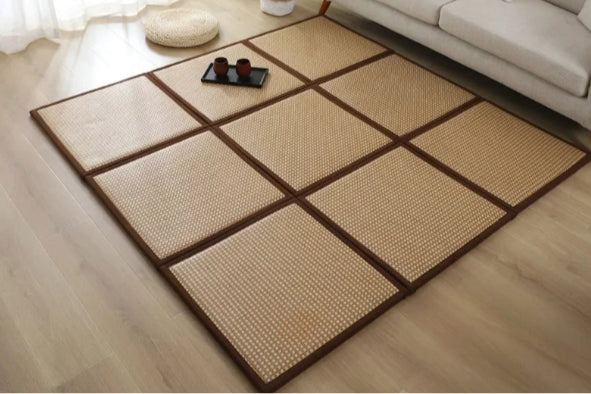
The Japanese futon refers to a traditional mattress adopted in Japan for several centuries. This bedding is generally made of cotton, natural fibers, or lightweight foam depending on the model. Unlike very thick Western mattresses, it has a thinner and firmer structure. This design promotes stable support for the body during sleep. The futon is often placed on a tatami mat or a flat surface to maintain its comfort. In Japanese homes, it is quickly stored away after use to free up more space in the room. This practical solution now attracts people looking for a simpler and less cluttered interior.
4 Reasons to Choose a Japanese Futon
The Japanese futon is increasingly appealing to those looking for practical, comfortable, and space-saving bedding. Its minimalist style easily adapts to modern interiors while promoting a soothing atmosphere in the bedroom. Several advantages explain the growing interest in this traditional Japanese mattress today.
1. Improved Sleep Comfort
The Japanese futon contributes to improved sleep comfort thanks to its firm and balanced structure. Unlike very thick mattresses, it supports the body more uniformly throughout the night. This stability generally helps to reduce tension in the shoulders and back. Many sleepers appreciate this feeling of natural support, similar to traditional Japanese bedding. The futon adapts to movements without causing excessive sinking. This feature promotes more stable rest and a more pleasant awakening daily.
The quality of sleep is closely linked to the environment and the air in the sleeping area. The Japanese futon, often made with breathable materials, allows air to circulate better at night. This natural ventilation reduces moisture accumulation and provides a cooler sensation. In a quiet and uncluttered room, this type of bedding helps create an environment conducive to rest. Over time, many people adopt this sleeping method for its simple and soothing aspect. The futon thus fits into a routine oriented towards well-being and lasting comfort.
2. Space Saving
Representing an ideal solution, the Japanese futon allows for optimizing interior design without cluttering the room. This minimalist bedding easily folds after use, quickly freeing up floor space. In a small bedroom or studio, this feature provides real daily convenience. The Japanese futon is perfect for modern homes where every square meter must remain functional. Its compact format also facilitates storage against a wall or in a closet. This organization brings a more pleasant sense of space to the home.
In small spaces, the Japanese futon helps to:
- free up space during the day;
- create a multi-functional room;
- reduce furniture clutter;
- facilitate daily storage.
The Japanese futon also helps maintain a more orderly and practical interior. A less cluttered bedroom often appears more restful and comfortable. This bedding solution easily integrates into a simple and natural decor. Its use promotes a simpler lifestyle, focused on essentials. Thanks to its practicality, the Japanese futon meets the needs of people looking for discreet and space-saving bedding.
3. A Practical Daily Sleeping Solution
Simple to set up and easy to handle, this type of bedding stands out as a functional alternative to a traditional bed. The Japanese futon fits perfectly into spaces where optimizing space is essential. Its daily use allows a bedroom to be transformed into a versatile room in just a few steps. Once folded, it frees up valuable surface area. This flexibility of use particularly appeals to people living in compact homes or seeking a more minimalist approach to interior design.
On a daily basis, the Japanese futon is distinguished by its strong adaptability to different uses. It can serve as a main bed or an extra bed depending on needs. Its regular installation. This flexibility is in line with current lifestyles, where space often needs to be adjusted according to activities. By adopting this type of bedding, it becomes easier to maintain an organized interior while maintaining a good level of comfort. The Japanese futon is thus part of a logic of efficiency and lasting simplicity.
4. A Zen and Minimalist Decoration
Zen and minimalist decoration is fully expressed through the use of the Japanese futon in a bedroom. This floor bedding immediately transforms the atmosphere of an interior space by bringing a sense of controlled simplicity. Without an imposing structure like a classic bed, it visually frees up the room and creates an impression of openness. This approach is directly inspired by Japanese interiors, where every element is designed to be useful and discreet. The Japanese futon then becomes a central element that contributes to a more fluid organization of the living space.
In a Zen and minimalist decorating approach, the Japanese futon easily integrates into different interior design styles. It blends particularly well with natural materials. This combination reinforces a calm and coherent ambiance in the bedroom. The absence of bulky furniture also allows the room to breathe better visually, contributing to a feeling of well-being. The futon thus becomes more than just bedding; it is part of an interior design approach designed for simplicity, functionality, and daily balance.
Why Ventilate a Futon?
The Japanese futon requires regular ventilation to preserve its sleeping qualities and durability. Over the nights, this type of mattress naturally absorbs moisture related to perspiration and body heat. Without adequate ventilation, this accumulation can alter the freshness of the fibers and reduce sleep comfort. Exposure to air then helps maintain a drier and healthier environment. This simple habit is part of a natural maintenance logic, often adopted in traditional Japanese interiors where the futon is folded and exposed daily.
What are the Different Types of Futons?

The Japanese futon is now available in several models adapted to modern needs and varied sleeping habits. Each type of futon has specific characteristics in terms of comfort, firmness, and materials.
|
Futon Type |
Composition |
Comfort Level |
Main Use |
|
Traditional Futon |
Natural Cotton |
Firm |
Daily Sleeping |
|
Latex Futon |
Natural or Synthetic Latex |
Soft and Balanced |
Regular Sleeping |
|
Foam Futon |
High-Density Foam |
Flexible |
Occasional or Mixed Use |
|
Foldable Futon |
Cotton + Mixed Fibers |
Variable |
Small Spaces and Extra Sleeping |
|
Convertible Futon |
Hybrid Structure |
Balanced |
Multi-functional Use |
How to Maintain a Japanese Futon?
The maintenance of a Japanese futon relies on simple yet regular actions that guarantee its longevity and comfort. This traditional bedding, made from natural fibers or modern materials, easily absorbs moisture related to sleep. To maintain all its qualities, it is important to care for it in a clean and properly ventilated space. The Japanese futon should be lifted every morning to facilitate the evacuation of accumulated moisture during the night. This habit helps maintain good sleeping hygiene and prevent unpleasant odors.