




















Mistakes to avoid when wearing a kimono jacket

Source: Freepik
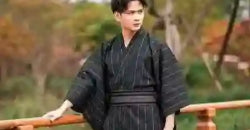
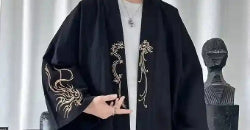
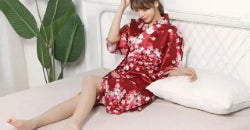
The kimono jacket captivates with its unique style and versatility. But its elegance depends on how it is worn. However, some details can ruin the desired effect. In this review, discover the common mistakes to avoid when wearing a kimono jacket.
Top 5 mistakes to avoid when wearing a kimono jacket
Wearing a kimono jacket may seem simple, but several details influence the final look. The most frequent mistakes concern size, colors, accessories, fabric choice, and how it is paired with the rest of the outfit. Here is a guide to avoid these pitfalls and enhance your look.
1. Choosing an unsuitable size
The size of the kimono jacket directly affects the overall look of the outfit. A piece that is too loose can weigh down the silhouette and create an impression of carelessness, while a jacket that is too tight restricts movement and distorts the cut. The correct fit should allow freedom of movement while remaining close to the body to maintain harmony. The sleeves should fall naturally and the overall length should match the height and body shape of the wearer. To correctly assess the size, you should:
- measure shoulder width and chest circumference;
- check sleeve and jacket length;
- consider potential layering of a sweater or thick top;
- test arm and torso freedom of movement;
- prefer a slight adjustment over a too tight fit.
These steps ensure optimal comfort and a balanced silhouette. A well-fitting jacket enhances the body shape while maintaining the characteristic elegance of the kimono. Moreover, our kimono jacket collection offers a range of items adapted to your body shape.
2. Neglecting color and pattern harmony
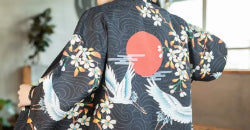
The combination of colors and patterns is a major challenge when wearing a kimono. A too contrasting combination can create visual imbalance, while a harmonious mix enhances the style. Very busy patterns should remain isolated or paired with neutral clothing to avoid overload. Subtlety in color choice reinforces the natural elegance of the outfit.
The kimono's colors can guide the rest of the outfit. Neutral tones for pants or skirts provide balance, while small touches recalling the kimono's pattern add coherence. Textures can also create a pleasant visual contrast without weighing down the silhouette. Careful attention to color and pattern harmony allows the kimono to stand out as a central piece without compromising the overall style's readability.
3. Wearing inappropriate accessories

Source: Freepik
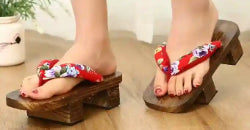
Accessories strongly influence the balance of an outfit. Overly ornate jewelry or bulky bags can detract from the fluidity of the kimono. The sobriety of accessories preserves the natural elegance of the jacket. Shoes should remain discreet and adapted to the Japanese style, so as not to distract attention from the main piece. For an optimal result, you should:
- choose minimalist accessories;
- adapt jewelry to the length and cut of the kimono;
- select simple shoes matching the jacket's colors;
-
prefer light, practical, and comfortable accessories for daily use.
The right accessories highlight the kimono jacket and contribute to a harmonious, balanced, and refined style.
4. Ignoring the season and fabric
The material of the kimono influences the comfort and aesthetics of the outfit. Choose a lightweight silk kimono for summer to avoid discomfort, and a thicker model for winter to stay warm. Seasonally appropriate fabrics allow you to maintain elegance and comfort. Cotton, linen, or wool adapt to temperatures and wearing conditions.
The choice of fabric also affects maintenance and durability. You can opt for breathable natural materials for superior comfort. Understanding the effect of fabrics on silhouette and comfort guides the choice of kimono jacket, ensuring a consistent and pleasant style to wear, regardless of the season.
5. Incorrectly pairing the kimono jacket with other elements of the outfit
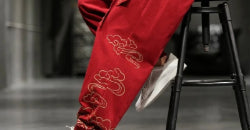
The pairing of the kimono jacket with the rest of the outfit directly influences visual harmony. Too wide pants or busy tops can unbalance the silhouette and make the outfit look awkward. The goal is to create coherence between the kimono and the surrounding clothes, respecting fluidity and proportions.
Some tips for successful pairing:
- Opt for fitted pants or skirts to balance the volume;
- Avoid excessive layering that obscures the kimono's cut;
- Choose simple tops or those with discreet patterns to create a subtle contrast;
- Harmonize colors and textures for a coherent look;
- Play with vertical lines to elongate the silhouette and enhance elegance.
A thoughtful pairing transforms the kimono jacket into a flagship piece, revealing both style and personality.
How to choose your kimono jacket?

Source: Freepik
Choosing your kimono jacket requires taking into account the size, cut, and fabric. A well-fitting jacket ensures comfort and freedom of movement, while the choice of material (cotton, linen, wool, or silk) influences adaptability according to the season and occasion. The quality of finishes and seams guarantees durability and maintenance of the silhouette, essential for preserving the elegance of the piece.
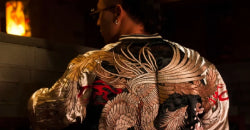
Style and patterns complete the choice. The colors should harmonize with the rest of the wardrobe, while traditional or contemporary prints define the kimono's identity. The intended use also plays a role: simplicity and comfort for everyday wear, details and fantasy for a special event. The balance between comfort, aesthetics, and versatility transforms the kimono jacket into a real style asset.
How to care for your kimono jacket?
Caring for a kimono jacket extends its lifespan and preserves its appearance. Delicate fabrics, such as silk or velvet, require hand washing or professional cleaning. Cotton and linen can be washed at low temperatures and ironed with care. For optimal maintenance:
- Wash separately to avoid color transfer;
- Hang on a suitable hanger to maintain its shape;
- Iron at a moderate temperature according to the material;
-
Avoid aggressive products that damage the fabric.
These simple steps help maintain the beauty and brilliance of the kimono over the years.