














How to wear a men's yukata?

The men's yukata embodies a lightweight Japanese garment, prized for its comfort and summer elegance. Rooted in Japanese tradition, it is worn during warm weather and at many cultural events. How to wear this garment correctly? Discover in this review the essential elements for properly donning a men's yukata.
The men's yukata: origin and definition
The men's yukata is part of an ancient Japanese clothing tradition, which first appeared in public baths during the medieval period. This lightweight garment, made of cotton, was worn after ablutions to protect the body and promote comfort. Its simple design met a practical need, while respecting Japanese aesthetic codes based on sobriety and harmony of form. Over time, its use extended far beyond this initial purpose.
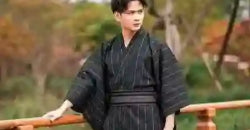
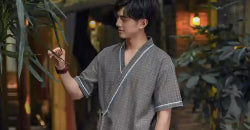
Today, the men's yukata refers to a traditional summer outfit worn during festivals, stays in Japanese inns, or cultural events. Its straight, crossed cut makes it easy to put on and ensures great freedom of movement. Unlike more formal clothes, it prioritizes lightness and simplicity. The ensemble is held together by a belt called an obi, which structures the silhouette and completes the overall look with balance and discretion.
4 tips for properly wearing a men's yukata
The men's yukata requires particular attention to achieve a harmonious and comfortable result. Every detail, from the cut to the accessories, directly influences the overall elegance of the outfit. Here are some tips to follow for properly wearing a men's yukata.
1. Choose a men's yukata suited to your body type
The harmony of a men's yukata first and foremost depends on choosing a cut that matches the silhouette. A poorly fitting size can disrupt visual balance and impair overall comfort. A model that is too long results in excess fabric around the ankles, while a version that is too short gives an impression of misalignment. The straight cut of the garment therefore requires particular attention to measurements to maintain an elegant and natural appearance. Body type also influences the perception of the final look. A slender silhouette gains structure with a slightly fitted men's yukata, while a larger build benefits from fluid fabric that accompanies movement without accentuating shapes. The choice of materials, often lightweight cotton, also contributes to comfort and overall fit. A thoughtful selection ensures a consistent appearance, true to the traditional Japanese spirit and pleasant to wear daily.
2. Adjust the obi properly for comfortable support
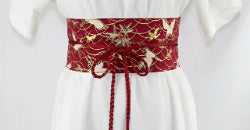
The obi plays a crucial role in wearing the men's yukata, as it ensures both the garment's hold and the silhouette's balance. Correct placement helps to avoid unsightly creases and guarantees a neat appearance. The belt's position must remain stable while allowing a certain ease to preserve comfort during daily movements.
Precise adjustment relies on a few simple but essential steps to achieve a harmonious result. The belt tension must be controlled so as not to restrict breathing or mobility. To wear the obi properly, you should:
- position the obi at hip level for a stable base;
- tighten gradually without compressing the waist;
- tie a strong knot at the back to prevent loosening;
- smooth the fabric to eliminate visible creases.
3. Pair the men's yukata with traditional accessories
Accessories play an important role in showcasing the men's yukata, as they complement the overall aesthetic without distorting its essence. The choice of traditional elements helps reinforce the authenticity of the outfit while adding a discreet personal touch. In Japanese culture, each accessory is integrated into a logic of visual balance and controlled simplicity, which avoids any unnecessary clutter.
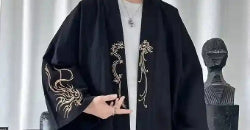
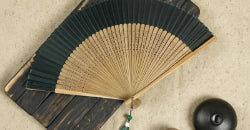
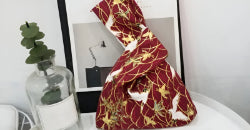
The kinchaku, a small fabric bag, often accompanies this outfit during summer outings and facilitates the transport of essential items. The Japanese fan, used to cool down, adds a practical dimension while respecting cultural codes. On cooler evenings, a lightweight haori can also complete the ensemble with elegance. These elements, when well chosen, help to enhance the men's yukata without altering its traditional style and contribute to a coherent and refined look.
Select appropriate footwear
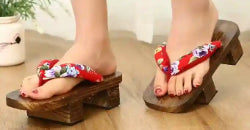
The choice of footwear plays a decisive role in the overall men's yukata ensemble, as it influences the visual balance of the outfit. Traditional models such as wooden geta or zori provide authentic coherence with the garment. Their lightweight design allows for a natural gait while respecting Japanese dress codes. A thoughtful pairing between the men's yukata and footwear ensures a neat appearance, suitable for summer and cultural contexts.
Comfort must also guide the selection to ensure pleasant use over time. The sandals must offer good support without compressing the foot, while remaining suitable for warm climatic conditions. Sober colors facilitate harmony with different men's yukata patterns. Attention to these details reinforces the overall coherence of the outfit and allows for a look that is both traditional and elegant.
On what occasions should you wear a men's yukata?
The men's yukata naturally fits into various contexts related to Japanese culture and summer moments. This lightweight outfit often accompanies traditional festivals, where it allows one to enjoy the celebrations in an authentic and comfortable style. It is also common in Japanese inns, where it is offered as indoor clothing, fostering an immersive and relaxed experience.
Outside of Japan, the men's yukata finds its place at cultural events, themed gatherings, or events dedicated to Asian traditions. It can also be worn during summer evenings to provide a breathable and elegant outfit. However, its use remains better suited to informal settings, where simplicity and comfort take precedence over formal attire.
What mistakes should be avoided when wearing a men's yukata?
Respecting certain rules helps to preserve the elegance of the men's yukata and avoid common mistakes. An ill-fitting size is one of the most common errors. A garment that is too loose gives a sloppy appearance, while a model that is too tight restricts comfort and movement. The crossing of the panels also deserves special attention. In Japanese tradition, the left side must always overlap the right side. Reversing this order does not correspond to the usual customs of this traditional garment.
Pairing it with inappropriate clothing items can also detract from the harmony of the ensemble. Overly modern shoes or excessive accessories are difficult to reconcile with the authentic character of the men's yukata. A poorly adjusted obi can also unbalance the silhouette and reduce comfort. Finally, the choice of materials plays an important role. Fabric that is too thick quickly becomes uncomfortable during warm periods. Paying attention to these details allows the men's yukata to be worn with more coherence and refinement.