











































How to choose the ideal color for a Japanese rug?

Source: Freepik
Choosing the ideal color for a Japanese rug goes beyond simple visual consideration. The hue influences the perception of space, brightness, and the overall atmosphere. A well-selected shade enhances interior harmony, while a poor match can unbalance the room. Discover in this review how to choose the ideal color for a Japanese rug.
Japanese rug: what is it?
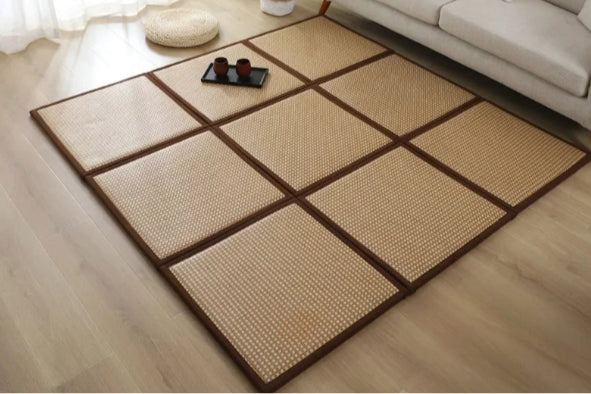
A Japanese rug is directly inspired by the traditional tatami, used for centuries in Japanese homes. Made from plant fibers, it evokes simplicity and authenticity. Its natural texture recalls the sober interiors of Japanese houses. Today, it is available in cotton, seagrass, or synthetic materials.
This type of rug easily integrates into a meditation space, a living room, or a bedroom. It visually structures the room without weighing it down. Unlike thick Western rugs, it prioritizes lightness and space ventilation. Its aesthetic is based on balance and discretion.
3 tips for choosing the ideal color for a Japanese rug
Choosing the ideal color for a Japanese rug requires careful and coherent reflection. The shade influences the atmosphere, the perception of space, and overall harmony. Here are six concrete tips to apply to avoid mistakes and create a balanced interior.
1. Draw inspiration from the natural shades of traditional tatami
The shades derived from tatami are an essential reference for choosing the ideal color for a Japanese rug. Straw beige, soft green, or light brown recall the plant fibers used in Japanese homes. These shades evoke the simplicity and sobriety sought in a Japanese-inspired interior. They create a soft base that structures the space without weighing it down. In a living room or bedroom, these natural colors bring a lasting sense of calm. They easily integrate with white, cream, or sand walls, while enhancing light wood furniture.
Relying on these tones helps avoid overly strong contrasts and excessive decorative effects. A rug inspired by the natural shades of traditional tatami promotes a restful and coherent atmosphere. This approach is particularly suitable for spaces dedicated to relaxation or meditation. By choosing a color close to natural plant materials, the rug becomes a natural extension of the floor. The ensemble gains in sobriety and authenticity, two central qualities in Japanese aesthetics.
2. Harmonize the rug color with a wabi-sabi style
Wabi-sabi style values the beauty of simplicity, the passage of time, and the authenticity of materials. In this universe, the color of the Japanese rug must remain sober and nuanced. Earthy tones, weathered beiges, warm grays, or slightly irregular browns naturally integrate into this decor. These shades recall raw materials and aged surfaces. They create a calming atmosphere, true to the artisanal and minimalist spirit of wabi-sabi.
Choosing the ideal color for a Japanese rug in a wabi-sabi interior means avoiding overly bright or artificial shades. A soft hue reinforces the feeling of calm and supports the presence of raw wood, ceramics, and linen. The rug then becomes a discreet extension of the surrounding materials. This chromatic coherence values imperfections and highlights the beauty of nature. A thoughtful choice helps anchor the room in a serene, stable, and timeless atmosphere.
3. Adapt the color to the room's brightness for a zen ambiance
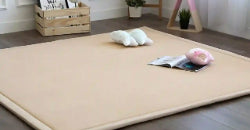
Brightness strongly influences the appearance of a Japanese rug. A north-facing room benefits from soft and slightly cool light. In this case, a light shade like sand beige or ecru warms the atmosphere. Conversely, a sun-drenched space can handle slightly richer shades. A soft gray or natural green color maintains a sense of calm. Choosing the ideal color for a Japanese rug therefore involves observing the light intensity at different times of the day.
The goal remains to preserve a zen ambiance without over-decorating. A color that is too dark absorbs light and reduces the sense of space. A too bright shade disrupts the desired serenity. To guide the choice, it is advisable to:
- favor light tones in a dimly lit room;
- select natural shades in a sunny space; and
- test a sample according to the actual exposure.
This approach allows adjusting the ideal color for a Japanese rug according to light constraints. The room thus retains a peaceful and harmonious atmosphere.
Some rug shades suitable for each room

Source: Freepik
Each room in the house has a specific ambiance and function. Choosing the ideal color for a Japanese rug helps reinforce this atmosphere while harmonizing the space. Depending on the brightness, furniture, and use of the room, certain shades are more suitable than others.
|
Room |
Recommended Color |
Effect on Ambiance |
|
Living Room |
Warm beige, light gray |
Conviviality and visual openness |
|
Bedroom |
Soft green, cream |
Relaxation and rest |
|
Office |
Light taupe, sand |
Concentration and clarity |
|
Entrance |
Light brown, neutral gray |
Warm and harmonious welcome |
|
Meditation Room |
Grayish blue, pale beige |
Serenity and calm |
What mistakes to avoid when choosing a Japanese rug?
A common mistake when choosing a Japanese rug is to neglect coherence with the rest of the room. Opting for a color that is too dark in a bright space can create too strong a contrast, visually weighing down the room. Conversely, a too light shade in an already bright room risks appearing bland and erasing volumes. It is essential to simultaneously consider the color of the walls, furniture, and natural light to ensure overall and subtle harmony. The texture and material of the rug also play a role in the perception of the shade.
Ignoring the interior style is another common mistake. Choosing a color that is too bright or out of sync with a minimalist decor or one inspired by wabi-sabi disrupts the balance and detracts from the overall impression. Similarly, the size of the room influences the perception of color. A saturated shade in a small space can give a feeling of confinement, while in a large living room, it might lack presence. The color of the Japanese rug must therefore always be considered in relation to the style, surrounding materials, and desired effect, to guarantee a harmonious and lasting result.