








Kimono jacket: materials to prioritize depending on the season

Source: Freepik
The kimono jacket has stood the test of time to become both a traditional and modern garment today. Its popularity comes from both its aesthetic appeal and its versatility. The choice of material plays an essential role in adapting to the seasons. This review explores the materials to favor for a kimono jacket depending on the season.
Kimono jacket: definition
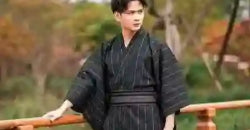
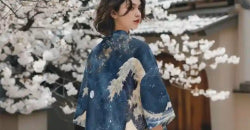
The kimono jacket is distinguished by its simple, straight structure, with wide sleeves and an open cut. Historically, its role was to complement the traditional kimono, but it is now used as a standalone garment. Each model combines visual harmony with everyday functionality. The adoption of the kimono in contemporary fashion has transformed its function, making it accessible to modern styles, from casual to more elegant outfits.
Which materials should you choose for your kimono jacket depending on the season?
The quality and type of fiber impact both well-being and the daily use of the kimono jacket. Natural fabrics ensure thermal regulation, while thicker fibers provide insulation and warmth. The following table illustrates the main correlations between season, material, and use:
|
Season |
Material |
Advantages |
Example of use |
|
Spring |
Cotton |
Breathable, comfortable, easy to care for |
Casual kimono for walks or outings |
|
Summer |
Linen |
Very light, moisture-absorbing, pleasant to the touch |
Festivals, leisure, daily use |
|
Autumn |
Fine wool |
Gentle warmth, comfortable, durable |
Outings or ceremonies |
|
Winter |
Thick wool / fleece |
Thermal insulation, comfortable, windproof |
Outdoor activities, severe cold |
Understanding the properties of each fabric makes it easier to choose a jacket suited to the season and desired style.
Who is the kimono jacket for?
The kimono jacket is for a wide audience, including:
- men;
- women; and
- children.
Its universal cut and timeless design allow the garment to be adapted to different styles and occasions. The versatility of the kimono gives it a place in the contemporary wardrobe, whether for a casual outfit or a formal event. Modern unisex designs simplify integration into daily life, while more traditional versions appeal to Japanese culture enthusiasts.
Its use varies depending on personal preferences and needs. Kimonos can be worn to enhance a casual outfit, add an original touch to a formal outfit, or during festivals and cultural ceremonies. The choice of material, cut, and pattern determines the wearing experience, comfort, and overall aesthetic. Thus, the kimono jacket is for anyone looking for an elegant piece.
What are the variations of kimono jackets?

Source: Freepik
The different models adapt to specific needs while preserving the refinement of tradition. Each type of kimono has unique characteristics, influencing comfort, mobility, and adaptability to the seasons. Among the most well-known are the haori, the happi, and the hanten. These variations allow you to choose a jacket suited to the occasion, temperature, and desired style.
The haori
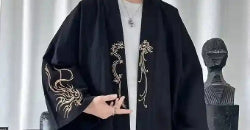
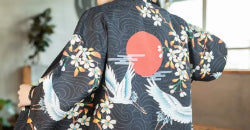
The haori is a short jacket worn open, often over a traditional kimono. Its wide sleeves and straight cut offer ease and comfort when worn. Modern haoris come in:
- cotton;
- wool; or
- silk.
It easily integrates into a contemporary wardrobe. The haori lends itself to an elegant style while remaining practical, whether for an urban outing or a semi-formal event.
The use of the haori is also distinguished by its patterns and colors. More understated models are suitable for everyday wear, while versions adorned with traditional patterns can be used for special occasions. The jacket remains accessible to all thanks to varied cuts and sizes. The combination of Japanese aesthetics and contemporary comfort makes the haori an essential piece for cultural fashion enthusiasts.
The happi
The happi is characterized by its symbolic patterns and lightness. Traditionally used for festivals or cultural events, it is made of cotton and allows for great mobility. The happi is mainly worn in spring and summer. Its simple and practical cut makes it a suitable choice for lively activities and gatherings.
Its design prioritizes fluidity and comfort to facilitate every movement. The ease of care and the resistance of cotton ensure durability and comfort. The happi can also be worn informally in a contemporary setting, incorporating traditional Japanese patterns and modern colors to create a unique style.
The hanten
A short, padded jacket, the hanten is ideal for winter. The padded interior made of cotton or wool provides warmth and comfort. Wide sleeves and a straight cut facilitate movement. The use of thick and insulating fabrics makes the hanten very suitable for outdoor activities and moments requiring protection from the cold. The advantages of this jacket include:
- maintaining body heat thanks to effective padding;
- promoting fluid and unrestricted movements with its straight cut;
- combining comfort and style thanks to traditional patterns and color.
The hanten is distinguished by its versatility and its ability to combine tradition and practicality. It remains a preferred option for Japanese culture enthusiasts who wish to reconcile comfort and authenticity, even in cold weather.
When to wear a kimono jacket?

Source: Freepik
The kimono jacket is suitable for many situations and everyday moments. For a city outing or a gathering with friends, it adds a touch of originality to jeans or a simple dress. Formal events, such as receptions or cultural ceremonies, are opportunities to showcase a more sophisticated kimono, paired with elegant accessories. Traditional festivals and cultural events are also ideal occasions to wear a kimono jacket and express an authentic Japanese style.
Certain situations require an adapted version of the kimono. For a relaxing afternoon or a stroll, a light and fluid model will be more comfortable. For meetings or more structured events, choosing a more understated kimono or one decorated with refined patterns enhances the elegance of the outfit. Even in a professional or semi-formal context, the kimono can be combined with contemporary elements, creating a balance between tradition and modernity. Thus, this garment remains versatile and appropriate for every moment, from everyday life to special occasions, highlighting Japanese cultural identity while remaining stylish.
In summary, the kimono jacket represents a timeless piece capable of transitioning through seasons with elegance. The choice of material directly influences comfort and adaptability for each time of year. Knowing the types of kimonos allows one to select the most suitable jacket for the desired use and style.