





What is Gyaru fashion?

Source: Freepik
Born in the streets of Tokyo, gyaru fashion has profoundly shaped Japanese clothing culture. Bleached hair, bold makeup, feminine outfits, and bright accessories characterize this recognizable aesthetic. Yet, gyaru encompasses several trends with distinct codes. This review covers the essentials you need to know about Gyaru fashion.
Gyaru fashion: what is it?
Gyaru fashion defines a Japanese subculture that emerged around Shibuya in the 1990s. The term comes from the English word "gal," used to refer to a woman. This trend developed in response to certain Japanese beauty standards. It embraces a bold, expressive appearance that deliberately differs from traditional models. Gyaru is thus based on a particular way of conceiving:
- femininity;
- beauty; and
- personal expression.
This culture is not merely a clothing trend. It combines an attitude, aesthetic codes and a way of standing out from mainstream conventions. Gyaru style gradually structured itself around communities, specialized magazines, and iconic locations in Tokyo. Several interpretations explain why the term Gyaru now refers to a family of styles rather than a single look.
What is the history of Gyaru fashion?
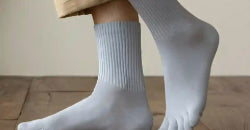
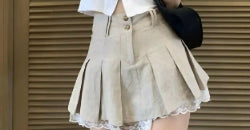
The history of Gyaru fashion began in the 1990s, when women in Tokyo adopted styles that departed from the norm. Shibuya became a central hub for this culture with its boutiques and 109 shopping center. The first kogals customized their school uniforms, shortened their skirts, and wore loose socks. Bleached hair, wedge shoes, and bold makeup reinforced this new look. Magazines helped spread these trends.
By the late 1990s, the movement gained visibility with ganguro, recognizable by its deep tan, contrasting makeup, and colorful clothing. The manba and yamanba styles extended this trend in the early 2000s. During this period, Egg magazine played an important role in spreading trends. New trends then emerged, notably Hime Gyaru, Agejo, and Onee Gyaru. This diversification shows that gyaru developed through successive transformations, without a single model.
How has Gyaru fashion evolved?
Since its beginnings, Gyaru fashion has changed according to trends, media, and social practices. In the 1990s, the kogal favored customized uniforms, short skirts, and bleached hair. The end of the decade saw the emergence of bold expressions such as ganguro and manba. In the early 2000s, the movement diversified with romantic, glamorous, or elegant styles. Gyaru then ceased to refer to a single look. This evolution affected makeup and attitudes toward tanning. Early styles favored bold contrasts, while recent trends seek a more natural look. Social media has changed how Gyaru style is disseminated. Communities share their outfits, techniques, and references beyond Japan. Enthusiasts adopt the codes while adapting them to contemporary clothing. The result is a diverse universe where anyone can select elements without reproducing an incomplete look.
What are the different styles of Gyaru fashion?
Gyaru fashion has split into several trends over time. Each style has its own codes, particularly in its approach to makeup, colors, and overall appearance. The table below presents the main Gyaru trends and their distinctive characteristics.
|
Gyaru Style |
Main Characteristics |
Clothing and Accessories |
|
Kogal |
Inspired by customized school uniforms, with a youthful and casual aesthetic |
Short skirt, blazer, loose socks, loafers, colorful accessories |
|
Ganguro |
Deep tan, contrasting makeup, and a highly expressive look |
Mini-skirts, platform shoes, colorful clothing, and eye-catching accessories. |
|
Yamanba |
A more extreme version of Ganguro, with very bold makeup and strong colors. |
Colorful outfits, multiple accessories, bleached hair, and voluminous hairstyles |
|
Hime Gyaru |
Princess-inspired aesthetic, with a strong emphasis on feminine details |
Dresses, lace, ribbons, bows, jewelry, and pastel colors |
|
Agejo |
Glamorous and sophisticated style, associated with a highly polished look |
Balanced dresses, heels, jewelry, false eyelashes, and voluminous hairstyles |
|
Onee Gyaru |
A more mature and elegant version of Gyaru, close to contemporary fashion |
Refined clothing, heels, carefully chosen accessories, and bold makeup |
|
Rokku Gyaru |
Rock influence with a darker, bolder look |
Leather, graphic prints, boots, metallic jewelry, and dark colors |
What is the influence of Gyaru fashion on Japanese fashion?
The influence of Gyaru fashion extends beyond clothing in Tokyo. This culture has helped evolve perceptions of femininity in Japanese fashion. It has championed bleached hair, elaborate makeup, decorated nails, and confident silhouettes. Magazines and boutiques have turned these practices into commercial references. Shibuya and Harajuku have reinforced their role as places where trends are born, spread, and renewed.
Gyaru has influenced media practices and fashion consumption. Readers of magazines like Egg followed trends, discovered brands, and observed street-style models. This logic fostered a participatory fashion, where women also became style references for their peers. Elements associated with gyaru later spread outside Japan through social media. Its legacy appears in certain hairstyles, makeup techniques, platform shoes and references inspired by the 1990s and 2000s.
How to adopt the Gyaru style today?

Source: Freepik
Adopting the Gyaru style today does not mean recreating the silhouettes of the 1990s or 2000s. One approach is to select a few key elements and then incorporate them into your usual wardrobe. Bold eye makeup, voluminous hair, or platform shoes can create a Gyaru-inspired look. The clothing can remain simple around these statement pieces. This method makes it easy to pair them with:
- jeans;
- a skirt;
- or a dress.
The choice of details depends on the desired substyle. A Hume Gyaru outfit will favor dresses, ribbons, and refined accessories. Onee Gyaru inspiration focuses on understated clothing paired with carefully applied makeup. For a Ganguro approach, makeup and a tan play a major role. Accessories and false eyelashes can complete the outfit. The goal is to maintain consistency between the pieces and choose elements that are easy to wear on a daily basis.