























What are the benefits of Japanese geta?

Japanese geta are much more than simple sandals. They embody an ancient tradition, blending aesthetics, ergonomics, and functionality. For centuries, they have accompanied daily life and ceremonies in Japan. Their unique design influences posture, stability, and foot health. Discover the benefits of these Japanese sandals in this review.
Japanese Geta: What are they?
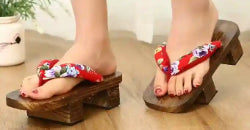
Japanese geta are traditional sandals, recognizable by their raised wooden sole and fabric straps called hanao. They protect the feet from moisture and uneven ground while promoting an upright posture. The sole, often made of lightweight wood like paulownia, combines lightness and strength, and may feature one or two vertical blocks (ha) that influence balance. The straps hold the foot and gently engage the muscles with each step. Models range from simple everyday use to decorative versions for festivals and ceremonies.
Beyond their practical function, geta reflect Japanese aesthetics and ancestral craftsmanship. The natural wood and fabric ensure comfort and durability, while walking remains quiet and stable. They improve posture and strengthen balance. Worn with a kimono or daily, they combine tradition, style, and physiological benefits. Geta are not just sandals. They are a cultural accessory that blends elegance, health, and functionality. To purchase quality geta, visit our geta collection to discover a variety.
What are the benefits of Japanese geta?
Japanese geta offer more than just comfort when walking. Their unique design improves posture, engages foot and leg muscles, and promotes better blood circulation. The table below presents the main advantages of these traditional sandals and their concrete impact on the body and daily life. Here are some benefits of Japanese geta:
|
Benefit |
Effect on the body |
Example |
|
Improved posture |
Straight back, natural balance |
Walking 30 minutes a day in geta strengthens the back |
|
Muscle strengthening |
Foot and calf workout |
Muscles gradually tone up |
|
Blood circulation |
Better oxygenation |
Reduces fatigue after prolonged walking |
|
Resistance and durability |
Strong wood and straps |
Sandals last several years |
|
Adaptability |
Walking on wet terrain |
Ideal for gardens or cobblestones |
Regular practice with geta is similar to walking barefoot on natural surfaces, but with more comfort and protection. The combination of tradition and physiological benefits makes these sandals unique and suitable for everyday use.
3 criteria to consider when choosing Japanese geta

Source ; Freepik
Choosing the right Japanese geta is not just about selecting a pretty design. It's crucial to consider a few points to ensure comfort, durability, and authenticity. The three main aspects to consider are size, sole type, and material, presented below in a comparative table.
Strap size and adjustment
Size plays an essential role. The straps, or hanao, should hold the toes without compressing them. A sole that is too large or too small disrupts balance and can cause pain. Flexible or slightly adjustable materials facilitate foot adaptation. To choose correctly, you must:
-
measure the exact foot length before purchasing;
-
check the strap position for optimal support;
-
test walking on flat and uneven surfaces;
-
ensure that heels and forefeet rest comfortably on the sole;
-
choose a balanced sole according to the wearer's weight and size.
Correct adjustment improves stability, posture, and comfort with each step, thus reducing muscle tension and fatigue.
Materials
The materials chosen for Japanese geta directly influence their quality and comfort. Paulownia wood, prized for its lightness and shock-absorbing capabilities, remains an essential reference. Other species like cypress provide robustness and natural elegance. As for the straps, their fabric determines foot support and the feeling of comfort when walking. Japanese artisans pay attention to every detail to create a perfect balance.
Opting for geta made with durable materials means choosing resistant and healthy footwear. A well-aligned sole, firmly attached straps, and a foot-friendly surface promote a natural and fluid posture. These precise finishes are not just about aesthetics.
Style and use
The style of Japanese geta varies depending on their use. Richly decorated models, often hand-painted or adorned with floral motifs, accompany traditional festivals and ceremonies. Conversely, simpler versions, made of raw wood or with plain straps, are designed for everyday use. The shape of the sole (flat or raised) influences not only posture but also the way of walking, imparting a particular elegance to each step characteristic of Japanese culture.
To choose the right geta, it is essential to adapt them to one's needs. A lightweight sole will be more suitable for frequent movement, while a robust model will be ideal for ceremonial attire. The straps (hanao) must conform to the foot's morphology without causing discomfort. Finally, the overall sturdiness and the chosen design ensure a perfect balance between comfort and lasting aesthetics.
Different types of geta

Source ; Freepik
Japanese geta come in several models. Zori have a thin sole and are often worn with formal kimono. Okobo, which are very elevated, are used by maiko (apprentice geisha) and during ceremonies. Tengu-geta, more massive, are suitable for festivals and parades. Komageta are simple and ideal for everyday wear.
The choice of model directly influences posture, gait, and comfort. The positioning of the straps and the height of the sole contribute to stability and muscle activation. Japanese tradition enthusiasts select their geta according to use, style, and physiological sensation. Thus, each type of sandal offers a unique balance between aesthetics and benefits for the body.
Where to buy Japanese geta?
Japanese geta can be purchased in specialty stores, online, or directly from artisans. Traditional shops offer authentic handmade models. Specialized platforms provide size guides and detailed descriptions. Festivals and kimono fairs sometimes offer rare models.
The quality of materials and origin are essential. Artisan models offer superior fit and optimal support. A thoughtful purchase allows you to fully benefit from the physiological advantages while respecting Japanese tradition.
Ultimately, Japanese geta represent a perfect balance between tradition, aesthetics, and physiological benefits. They improve posture, stimulate blood circulation, and strengthen foot and leg muscles. Available in various styles, they adapt to daily or ceremonial use.