

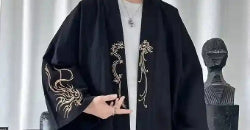




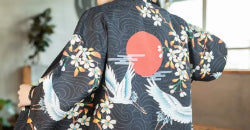























































What is the meaning of the black kimono?
The black kimono holds a special place in the Japanese clothing world, where every shade has a strong symbolic value. Its dark hue not only reflects an aesthetic choice, but also a codified cultural language. Discover the meaning of the black kimono in this review.
The black kimono: what is its meaning?
In Japanese culture, the kimono embodies a strong expression of restraint and adherence to social conventions. Its dark hue is associated with solemnity, making it a preferred garment for important life events. It reflects a desire for sobriety and discreet elegance, far from any excessive display. This color also reinforces a sense of gravity, often sought in official or ceremonial contexts.
The black kimono also carries a symbolic dimension related to maturity and dignity. It is part of a logic where appearance reflects status and attitude towards events. In certain situations, it expresses respect for traditions and those present. This attire then becomes a powerful cultural marker where every detail contributes to conveying a message of seriousness and self-control in the Japanese social environment.
When to wear a black kimono?
In Japan, the black kimono represents one of the most formal garments in the traditional wardrobe. Its sober color is particularly suitable for events that require respect and restraint. This garment often appears at important ceremonies where dress codes play an essential role. Its use varies depending on the circumstances, but it always retains a strong symbolic dimension. Wearing a black kimono allows you to display an attire adapted to customs while valuing a tradition deeply rooted in Japanese culture.
Certain occasions are more suited to wearing this iconic garment. The black kimono generally accompanies significant moments in social or family life. You can wear a black kimono for:
- attending a traditional wedding ceremony;
- participating in a tribute or commemoration;
- taking part in an official reception; and
- celebrating an important family event.
Thanks to its elegant and timeless character, the black kimono remains a benchmark for formal gatherings. Its presence demonstrates an attachment to Japanese customs and a desire to respect the conventions associated with each event.
What traditional accessories to wear with a black kimono?
The black kimono is generally accompanied by traditional accessories that complete its elegance and respect Japanese dress codes. Each element has a specific function, whether practical or aesthetic. The choice of accessories depends on the degree of formality of the event and the type of kimono worn.
|
Traditional accessories |
Role |
Peculiarity |
|
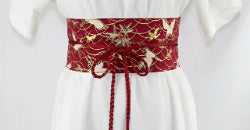
Obi |
Hold and structure the kimono |
Wide belt tied at the back |
|
Obijime |
Hold the obi in place |
Decorative cord, often matching |
|
Obiage |
Stabilize certain elements of the obi |
Fabric visible above the belt |
|
Zori |
Complete the traditional outfit |
Sandals worn with tabi |
|
Tabi |
Protect feet and ensure comfort |
White socks with split toe for the big toe |
|
Kinchaku |
Carry personal belongings |
Small matching traditional bag |
|
Kanzashi |
Adorn the hairstyle |
Hair accessory used during ceremonies |
|
Haori |
Add a layer of clothing |
Traditional jacket worn in cool weather |
What is the influence of the black kimono in current fashion?

Source: Freepik
Beyond its traditional role, the black kimono today inspires many designers around the world. Its sober and refined appearance attracts fashion houses looking for timeless garments. Several contemporary collections reinterpret its characteristic lines to offer elegant pieces adapted to current uses. This influence is found in luxury ready-to-wear as well as in urban trends. The black kimono brings a touch of distinction that transcends eras without losing its appeal.
Current fashion also values the versatility of this iconic garment. Some stylists combine elements of the black kimono with modern cuts to create original and sophisticated outfits. Its cultural heritage enriches creations while offering them an authentic dimension. Many fashion enthusiasts appreciate this alliance between Japanese tradition and clothing innovation. Thanks to this adaptability, the black kimono remains a major aesthetic reference and continues to influence trends in many countries.
How much does a black kimono cost?
The price of a black kimono varies according to several criteria, including the material used, the manufacturing method, and the level of finishing. Models made of synthetic fibers remain the most accessible and are often suitable for occasional use. Conversely, pieces made of traditional silk have higher prices due to their quality and the craftsmanship required for their creation. The origin of the garment also influences its cost, particularly when it is made in Japan by specialized artisans.
In the current market, an entry-level black kimono can cost a few tens of euros, while a high-end model can reach several hundred or even thousands of euros. Artisanal creations intended for formal ceremonies generally represent the most expensive options. Embroidery, noble fabrics, and traditional techniques significantly increase the value of the garment. A black kimono is therefore a purchase whose price depends as much on its quality as on its authenticity.