











































Where does the unique shape of Japanese geta come from?

Japanese geta have a unique silhouette, both simple and refined. Their shape, born from centuries of tradition, attests to meticulous craftsmanship where art meets utility. Behind each detail lies a philosophy of balance between body, nature, and aesthetics. Discover the origins of Japanese geta in this review.
Japanese Geta: Historical Origins
The history of Japanese geta is rooted in the daily lives of ancient Japanese people. From the 8th century, these sandals accompanied peasants and artisans working in rice paddies. Their wooden soles helped avoid mud and moisture while protecting kimonos. Geta also served to symbolically elevate oneself from the ground, which was considered impure. Over time, they became a social marker. Simple versions were worn by common people, while lacquered or richly decorated models belonged to nobles and courtesans.
In entertainment districts, geishas' high geta were distinguished by their elegance and slow gait. This distinction reflected the hierarchy and sophistication of Japanese customs. Thus, geta were not limited to simple footwear. They represented an extension of status and personality. Their shape gradually perfected, retaining the same basic structure while adapting details to different eras and uses.
What are the characteristics of Japanese geta?
Japanese geta are distinguished by a design that is both ingenious and simple. Every element of their composition has been conceived to offer comfort, balance, and durability. The details of the sole, straps, and elevation reveal the ingenuity that makes these sandals so unique.
A wooden sole that combines stability and lightness
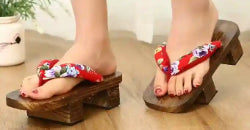
The base of the Japanese sandal rests on a sole carved from paulownia wood, known for its strength and lightness. This natural material absorbs shocks and keeps the foot elevated from the ground, ensuring lasting comfort. The two supports, called ha, serve as pillars of balance, limiting direct contact with the ground and allowing air to circulate freely.
This ingenious design ensures a stable and elegant walk. It allows for:
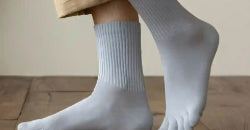
- preserving the cleanliness of kimonos and tabi socks;
- promoting an upright and natural posture;
- offering resistance to uneven ground; and
- reducing fatigue through balanced support.
The soles, sometimes varnished or decorated, illustrate the pursuit of beauty in functionality. Light yet sturdy, they embody the spirit of Japan.
Fabric straps for natural foot support
The hanao, the fabric band connecting the sole to the foot, remains the most expressive part of the Japanese geta. Made of cotton, silk, or velvet, it adapts to occasions and seasons. Its central positioning ensures remarkable stability and balanced body support. Unlike a simple strap, the hanao supports the foot without constriction, encouraging a fluid and silent walk.
Each pattern or texture tells a story. Sober shades symbolize discretion, while floral motifs evoke femininity and grace. The choice of fabric also reflects the wearer's personality. A man will prefer sobriety, and a woman will opt for the elegance of detail. Artisans carefully adjust the tension of the hanao to ensure comfort and harmony. This alliance of aesthetics and functionality makes the hanao much more than a simple fastener.
How to choose the right size of Japanese sandals?
Choosing Japanese geta requires attention and precision. A well-fitting sandal is chosen not just for aesthetics, but for its balance. Japanese people prefer a slightly shorter size, allowing the heel to protrude by a few millimeters. This peculiarity promotes stability and reduces hanao tension.
Comfort depends on the proper fit between the sole and the foot. Wood that is too heavy fatigues the leg; a hanao that is too rigid causes rubbing. Artisans often advise trying several models before finding the one that perfectly matches one's foot shape. Thus, the geta becomes an extension of the body. This harmony between material and movement reflects the essence of Japanese design: simplicity, durability, and comfort.
Who can wear Japanese geta?

Source: Freepik
Traditional Japanese sandals are no longer limited to ceremonies. Today, they appeal to lovers of Japanese culture and followers of refined trends. Men, women, or children can adopt them, provided they choose a model suited to their use. Modern geta are now paired with contemporary outfits, creating an original contrast between old and new.
Beyond style, these sandals convey a state of mind. They recall the importance of slowness, respect for movement, and connection with the earth. Wearing geta means adopting a calm pace, far from the daily rush. Those who try them experience a new relationship with their body and space. Geta thus stand as a bridge between tradition and modernity, between aesthetics and philosophy.
Japanese geta go beyond their primary function as footwear. They embody a true philosophy of daily life. Every element of their design reflects this quest for balance and precision that deeply characterizes Japanese aesthetics. Walking in geta is perpetuating an ancestral gesture, both humble and poetic. Their very particular shape, far from being stuck in the past, continues to inspire today's designers.