

































How to choose the right elements for an authentic Japanese decor?

Source: Freepik
Japanese decor is appealing due to its balance and controlled restraint. It draws inspiration from nature and values simple materials. Choosing the right elements for authentic Japanese decor helps create a calming and cohesive interior. In this review, discover how to select the proper elements for authentic Japanese decor.
6 tips for choosing elements for authentic Japanese decor
Choosing the right elements for authentic Japanese decor relies on precise and coherent principles. Every detail contributes to creating a balanced atmosphere, inspired by traditional Japanese interiors.
1. Focus on natural materials
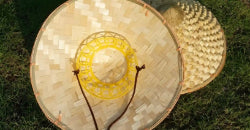
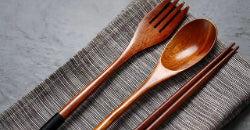
The authenticity of Japanese decor primarily depends on the choice of materials. Light-colored wood plays a central role, especially for furniture and flooring. It brings warmth and simplicity to the space. Bamboo, light and resistant, perfectly complements this ensemble. It is used for blinds, accessories, or small decorative items. Washi paper, often associated with traditional sliding doors like shoji, diffuses light softly. This combination of natural textures creates a soothing and luminous interior.
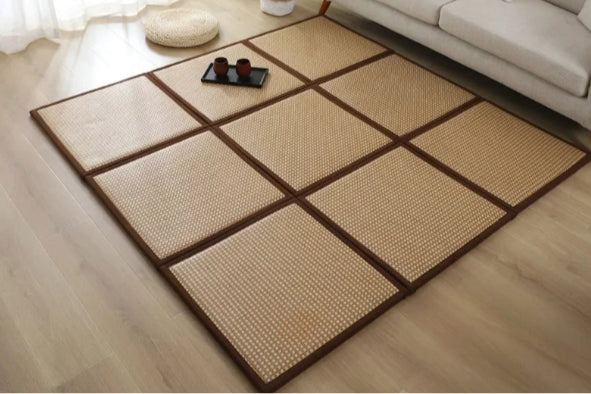
In authentic Japanese decor, every material must remain true to its original appearance. Overly shiny or synthetic finishes weaken the desired effect. Natural fibers enhance the overall coherence. A seagrass or straw mat evokes the spirit of traditional floors. These simple choices transform the room into a serene and harmonious space. Focusing on natural materials thus helps create a lasting, elegant, and respectful atmosphere of Japanese aesthetics.
2. Prioritize subdued colors
The color palette plays a crucial role in authentic Japanese decor. Neutral shades dominate, reminiscent of Japan's mineral and plant landscapes. These hues enhance natural light and highlight raw materials like light wood or linen. By limiting strong contrasts, the space gains coherence and serenity.
Japanese interiors also draw from the colors of the surrounding nature. Moss green evokes Zen gardens, while earthy brown recalls tree bark. These tones remain discreet and are integrated in small touches, on a cushion or a wall panel. This restraint helps avoid any decorative overload. By opting for subdued colors inspired by Japanese nature, authentic Japanese decor maintains its calming and timeless character.
3. Integrate carefully selected traditional objects
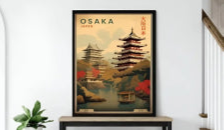
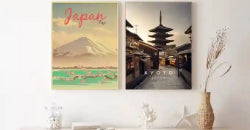
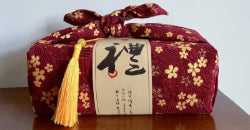
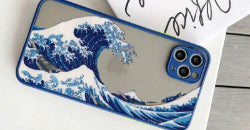
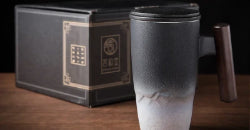
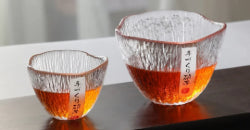
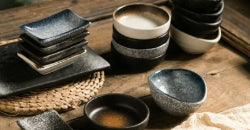
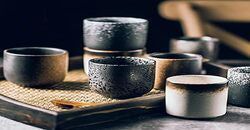
Adding traditional objects to an interior enhances the authenticity of Japanese decor. Each chosen piece should reflect craftsmanship and cultural history. A print inspired by Katsushika Hokusai, a hand-crafted ceramic, or a lacquered box adds character without overwhelming the space. These elements evoke the aesthetics of Japan and convey a peaceful atmosphere. Their presence must remain measured to preserve the sobriety inherent in authentic Japanese decor.
Selection requires attention and coherence. It is better to favor a few strong pieces rather than a decorative accumulation. A well-placed handcrafted object becomes a discreet and elegant focal point. Natural materials, subdued finishes, and simple forms facilitate integration into a contemporary interior. By carefully choosing traditional objects, authentic Japanese decor gains credibility and cultural depth, while maintaining overall harmony suited to a modern living environment.
4. Choose low-profile furniture suited to the space
Low-profile furniture is a central element of authentic Japanese decor. Low tables, futons, and floor-level seating organize the space while maintaining fluid and clear circulation. These pieces create a warm and intimate ambiance, respecting the traditional proportions of Japanese interiors. The sobriety of lines and simplicity of forms enhance the feeling of openness, giving the room an impression of lightness and calm.
To effectively integrate low-profile furniture, it is important to prioritize functional and harmonious elements. Each piece must fit into a visual balance without overcrowding the space. The choice of materials helps create a soothing and natural atmosphere. Accessories and textiles complement the ensemble sparingly. You can:
- select low tables;
- opt for simple and comfortable seating;
- favor discreet storage; and
- harmonize materials and colors.
This approach ensures a balanced interior, true to the Japanese spirit, and pleasant for daily living.
5. Add symbolic elements sparingly
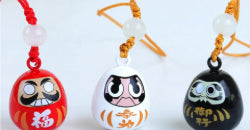
Symbols hold a subtle place in authentic Japanese decor. They convey a philosophy focused on nature and simplicity. A bonsai, a traditional print, or a handcrafted ceramic piece evoke the aesthetics of Japan without excess. These objects tell a story and transmit values like patience and harmony. Their presence must remain measured to preserve the clarity of the space.
Restraint enhances the visual impact of each chosen element. Accumulating multiple symbols weakens their meaning and weighs down the atmosphere. It is preferable to select a strong piece and provide it with an uncluttered environment. A framed calligraphy on a light wall naturally draws the eye. Placed carefully, it structures the room without dominating it. This approach helps maintain the desired balance in authentic Japanese decor, while highlighting the cultural richness of the integrated objects.
6. Favor minimalism inspired by the wabi-sabi style
Adopting minimalism inspired by the wabi-sabi style allows for anchoring authentic Japanese decor in a sober and sincere aesthetic. This approach values the simplicity of forms and the natural irregularity of materials. A slightly asymmetrical ceramic vase or a raw wooden table have a discreet but strong presence. Imperfect surfaces tell the story of time and add character to the space. The overall design prioritizes restraint and allows the room to breathe.
In authentic Japanese decor, this minimalism avoids any visual overload. Each object occupies a useful and measured place. Neutral tones, combined with simple textures, reinforce this sense of calm. The wabi-sabi inspiration does not seek perfection, but authenticity. This philosophy transforms the interior into a soothing place.
What elements should you choose to create Japanese decor?
Creating authentic Japanese decor relies on a coherent selection of materials, furniture, and decorative objects. Each element must contribute to a sober, luminous atmosphere inspired by traditional Japanese interiors. Here is a table outlining the main elements to compose a harmonious space.
|
Decorative element |
Description |
Contribution to authentic Japanese decor |
|
Wooden folding screen |
Movable partition made of articulated panels |
Structures the space with lightness and creates distinct zones |
|
Stone lantern |
Traditional-inspired lighting fixture |
Diffuses soft light and enhances the meditative atmosphere |
|
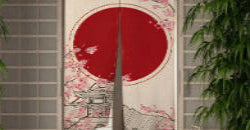
Noren (short Japanese curtain) |
How to choose the right elements for an authentic Japanese decor?
|