





















How to incorporate traditional Japanese style into your daily life
Traditional Japanese style fascinates with its simplicity and balance. It integrates easily into modern daily life without disrupting habits. How can you adopt this aesthetic without overdoing it? Discover practical tips in this review to create a harmonious and lasting Japanese style.
Japanese Style: What Is It?
Rooted in an ancient tradition, traditional Japanese style is based on a constant search for simplicity and functionality. It favors balanced forms and clean lines that facilitate movement. This aesthetic prioritizes the essential and limits superfluous elements. Clothes, objects, and spaces follow a clear logic where every detail fulfills a precise role. This approach reinforces an impression of coherence and serenity throughout.
In fashion as well as interior design, traditional Japanese style emphasizes natural materials and discreet colors. Cotton, linen, or silk are combined with neutral tones inspired by nature. This combination creates a soothing and durable atmosphere. The whole reflects a desire to prioritize quality over accumulation. This style embodies a balanced vision of daily life, where each element finds its rightful place.
4 Tips for Adopting Traditional Japanese Style in Your Daily Life
Adopting traditional Japanese style requires a progressive and consistent approach. Every detail counts in building a balanced and lasting aesthetic. To integrate this inspiration into daily life, here are some tips to follow.
1. Choose clothing inspired by traditional Japanese cuts
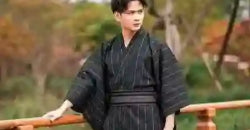
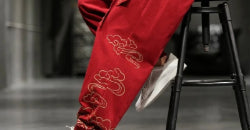
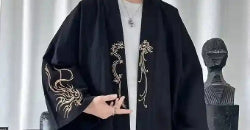
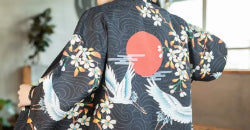
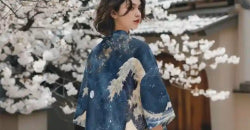
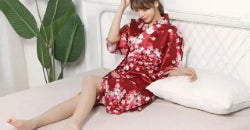
Japanese influence in fashion is based on structured silhouettes and controlled volumes. Loose cuts allow for ease of movement. Pieces inspired by the kimono or haori integrate easily into a contemporary wardrobe. They offer an alternative to the fitted clothing often found in Western styles. This method emphasizes comfort without compromising aesthetics.
Clothing derived from traditional Japanese cuts favors simple and well-defined forms. Straight lines dominate and create an impression of visual balance. The assembly of pieces is done naturally, without excess or complexity. This choice promotes a coherent and easy-to-wear outfit for daily life. Traditional Japanese style is thus built around functional clothing that is durable and suitable for various contexts.
2. Prioritize natural and comfortable materials
Attention to textiles plays a central role in traditional Japanese style. Natural fibers offer a pleasant feel and adapt to temperature variations. Linen, cotton, and silk often dominate collections inspired by Japan. These materials also contribute to greater durability of clothing. You can:
- choose breathable fabrics;
- prioritize natural fibers; or
- opt for durable textiles.
This selection reinforces the authenticity of the traditional Japanese style. Natural materials bring a sense of simplicity and well-being. This textile choice promotes a sustainable and elegant approach to daily life.
3. Adopt a sober color palette
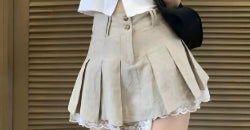
Discreet tones play a crucial role in traditional Japanese style. They allow for the creation of balanced outfits without visual overload. Black, beige, off-white, and shades of gray easily combine with each other. This chromatic sobriety facilitates the creation of versatile and timeless clothing. Each color is chosen with intention to reinforce calm and coherence throughout.
In this approach, bright colors remain occasional and used sparingly. They act as subtle accents rather than dominant elements. This measured management of tones reinforces the coherence of outfits and simplifies daily associations. Traditional Japanese style thus promotes a calm aesthetic, where each nuance finds its rightful place. This mastery of colors contributes to an elegant, discreet, and long-lasting look.
4. Draw inspiration from Wabi-Sabi philosophy in your outfits
Wabi-Sabi philosophy occupies a central place in traditional Japanese aesthetics. It values:
- simplicity;
- imperfection; and
- the traces left by time.
Applied to clothing, this vision encourages a more natural approach to style. This approach allows for the creation of a more authentic and sustainable wardrobe, in line with a serene vision of fashion.
Within the framework of traditional Japanese style, Wabi-Sabi invites us to favor clothes that evolve with time. A slightly irregular seam or a patinated texture becomes an aesthetic asset. This approach transforms the perception of outfits and reinforces their uniqueness. Elegance is no longer based on perfection, but on the sincerity of materials and forms.
To integrate this philosophy, you must:
- favor clothes made from natural materials;
- accept slight irregularities in finishes or textures;
- choose durable pieces; and
- value clothes with a natural history or patina.
This approach reinforces the identity of traditional Japanese style by giving it a more human and timeless dimension.
Why choose a Japanese style?

Source: Freepik
Traditional Japanese style appeals with its ability to combine simplicity and elegance in everyday life. It offers a minimalist approach that facilitates clothing choices and improves the overall harmony of an outfit. This style stands as a sustainable alternative to fast and changing trends. Here are some advantages of Japanese style.
|
Aspect |
Daily Advantage |
|
Clothing simplicity |
Facilitates outfit composition |
|
Quality of pieces |
Improves clothing lifespan |
|
Color harmony |
Makes associations more fluid |
|
Minimalist style |
Reduces excess in the wardrobe |
|
Comfort of materials |
Offers lasting well-being daily. |
What Japanese objects should you integrate into your home?
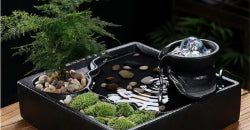
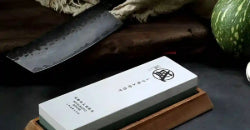
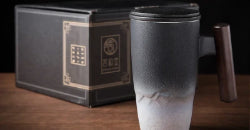
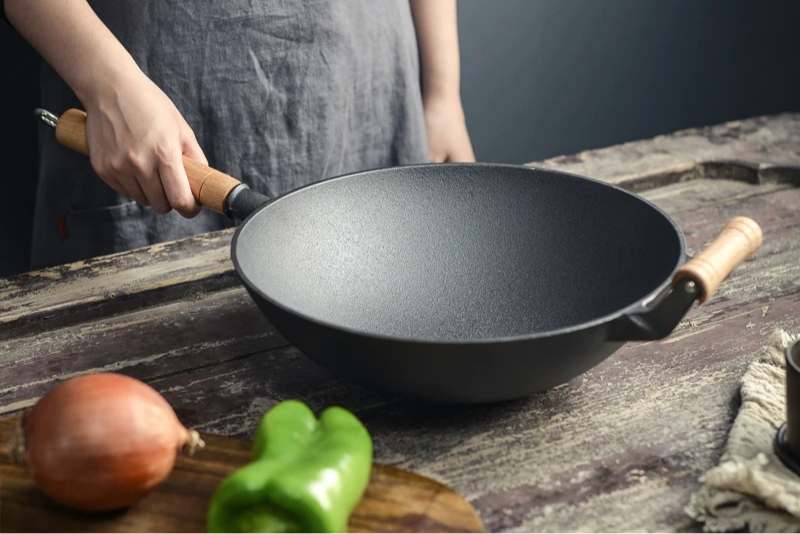
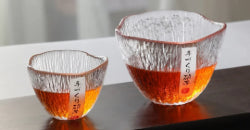
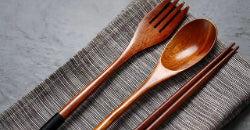
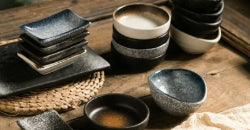
The Japanese domestic universe is based on a search for utility and simplicity. Each object finds a precise place and contributes to a peaceful atmosphere. Japanese-inspired interiors favor discreet elements, made from materials such as:
- wood;
- bamboo; or
- ceramic.
These choices reinforce an impression of stability and sobriety in the living space. Organization remains essential, with objects designed to limit the superfluous and facilitate daily life.
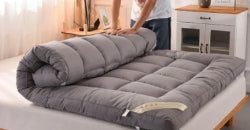
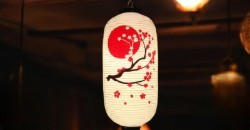
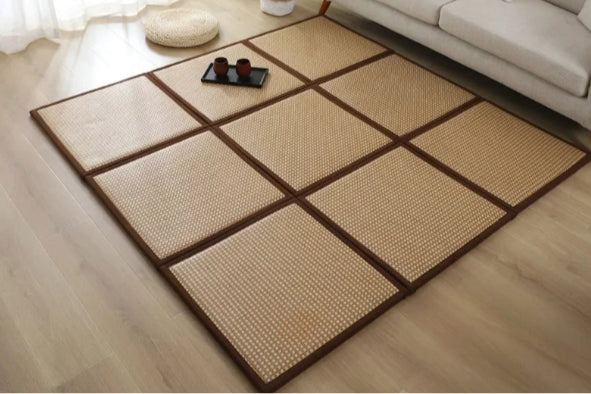
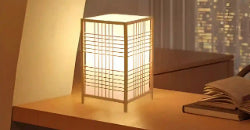
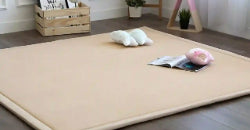
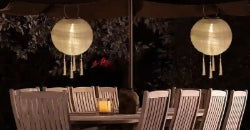
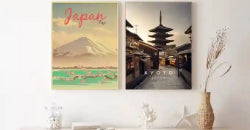
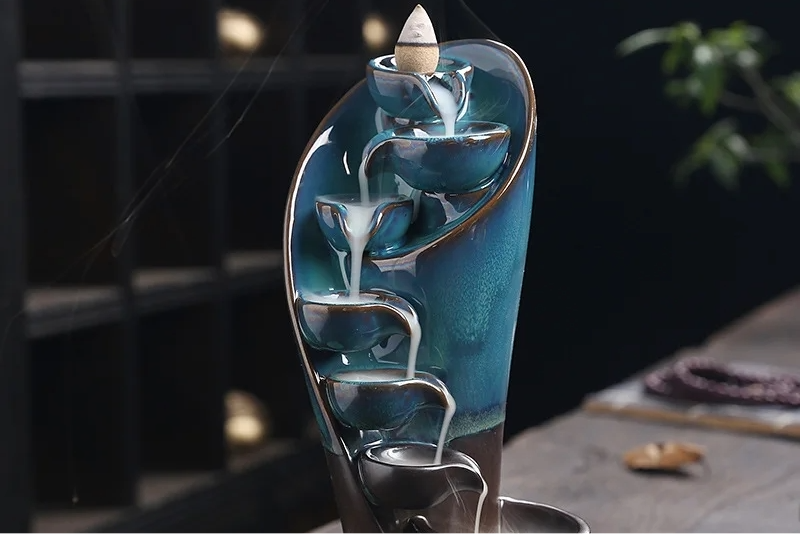
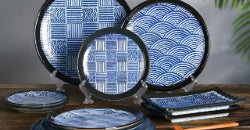
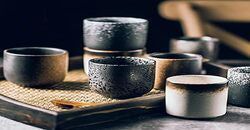
In this logic, some elements integrate easily into a contemporary interior. Paper lanterns diffuse a warm and soft light, ideal for creating a relaxing atmosphere. Handmade ceramics, often irregular, add an authentic touch to the table or shelves. Woven rugs and natural fiber elements also contribute to this refined aesthetic. The whole forms a harmonious setting where each object maintains a precise function, while participating in a coherent and soothing visual unity in daily life.