













What are the traditional Japanese clothes to know about?

Source: Freepik
Japan boasts a rich clothing heritage that reflects centuries of history, craftsmanship, and traditions. Far more than just garments, traditional Japanese clothing often signifies social status, a particular season, or a special occasion. Here you'll find the different types of traditional Japanese clothing you should know about.
Traditional Japanese clothing: what are the different types?
Traditional Japanese clothing is distinguished by its diversity and specific function within Japanese culture. Some outfits are worn for major ceremonies, while others are suitable for festivals, relaxation, or martial arts.
|
Traditional Japanese Garment |
Description |
Main Occasion |
|
Kimono |
Long, cross-over garment held with an obi belt |
Weddings, ceremonies and official events |
|
Yukata |
Light cotton version of the kimono |
Summer festivals and fireworks |
|
Hakama |
Loose trousers worn over a kimono |
Martial arts and traditional ceremonies |
|
Haori |
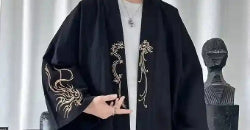
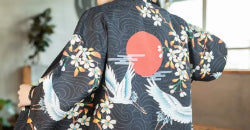
Jacket worn over a kimono |
Formal outings and elegant occasions |
|
Jinbei |
Set consisting of a jacket and matching shorts |
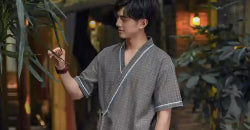
Relaxation and summer periods |
|
Happi |
Short coat adorned with patterns or emblems |
Festivals and community events |
|
Furisode |
Kimono with long sleeves for young unmarried women |
Coming-of-age ceremonies and celebrations |
|
Tomesode |
Formal kimono worn by married women |
Weddings and official receptions |
What are the styles of Japanese clothing?
Traditional Japanese fashion is based on several styles that correspond to various contexts and specific uses. Some garments prioritize refinement for ceremonies, while others are suitable for daily activities or popular festivities. The kimono remains the most famous reference, but there are many variations adapted to:
- usage;
- social status; or
- the season.
The furisode, recognizable by its long sleeves, often symbolizes female youth. The more sober tomesode is generally associated with major family occasions. Each outfit thus has a specific function within Japanese traditions.
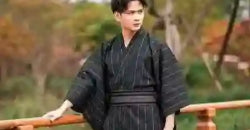
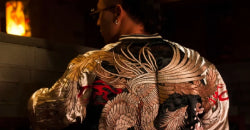
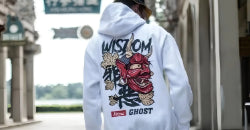
Other styles of Japanese clothing focus more on comfort and practicality. The yukata plays an important role during the summer thanks to its light and comfortable fabric. The jinbei is also popular for warm periods due to its loose fit. In a more formal register, the hakama complements certain traditional outfits during ceremonies or martial arts practices. This sartorial diversity illustrates Japan's rich culture and testifies to a savoir-faire passed down from generation to generation. Even today, these styles continue to inspire contemporary fashion while preserving their heritage value.
The kimono and yukata: what differentiates them?

Source: Freepik
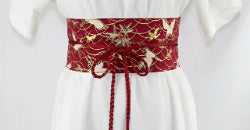
Among traditional Japanese clothing, the kimono and yukata hold an important place in the country's culture. Although they appear similar at first glance, several elements distinguish them. The kimono is generally made from refined fabrics, such as silk, and is worn for major occasions. Its wearing requires several accessories, notably an elaborate obi and sometimes specific undergarments. Japanese people wear it for weddings, official ceremonies, or significant celebrations. Its level of formality remains high, and dressing in it often requires time and a certain savoir-faire.
The yukata represents a lighter and more accessible version of this traditional garment. Made of cotton or breathable materials, it is particularly suitable for warmer periods of the year. Its simple design makes it easy to wear daily during summer festivals, fireworks, or stays in ryokan. Unlike the kimono, it requires fewer accessories and offers more comfort during hot weather. The choice between these two garments therefore mainly depends on the context, the season, and the desired degree of formality. This distinction helps to present traditional uses while meeting the needs of modern life in Japan.