






































What Japanese ceremonies involve wearing a women's kimono?

Source: Freepik
The female kimono symbolizes the union of elegance and Japanese tradition. Worn on special occasions, it reflects status and cultural codes. Certain ceremonies still require this precise and refined garment. Discover in this review the occasions when the female kimono is essential.
The female kimono: what is it?
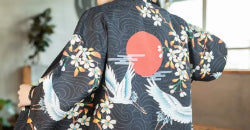
The female kimono represents one of the most iconic elements of Japanese culture. This traditional garment is distinguished by its straight cut, long sleeves, and the richness of its patterns, often inspired by nature or cultural symbols. Each kimono conveys a specific message about age, status, or the occasion. The fabrics used range from refined silk to lighter materials, reflecting both the elegance and function of the garment.
Some variations, such as the furisode, reveal youth and single status by the length of their sleeves, while more sober styles are suitable for married women. Beyond its aesthetic appeal, the female kimono embodies a codified visual language, where colors and patterns contribute to precise cultural expression. Its presence in ceremonies highlights the importance of tradition while remaining perfectly adapted to modern events.
What Japanese ceremonies require women's kimonos?
The female kimono accompanies key moments in Japanese culture and emphasizes their symbolic importance. Each ceremony imposes specific codes, both in the choice of model and in the patterns. Here is a clear overview of the main occasions where this traditional attire remains indispensable.
|
Japanese Ceremony |
Type of Female Kimono |
Specifics |
|
Traditional Wedding |
Tomesode/ Uchikake |
Elegant patterns, sober colors for guests, richly decorated for the bride |
|
Seijin no Hi (Coming of Age) |
Furisode |
Long sleeves, vibrant colors, festive patterns for young women |
|
Tea Ceremony |
Komon/Iromuji |
Discrete style, solid colors or subtle patterns |
|
Funerals |
Mofuku |
Plain black kimono, no patterns, accompanied by black accessories |
|
Festivals (Matsuri) |
Yukata |
Light and summery, colorful patterns, worn with Geta sandals |
|
Graduation |
Hakama + Kimono |
Traditional academic attire, pleated Hakama worn over a kimono, formal appearance |
How to wear a female kimono for Japanese ceremonies?
The wearing of a female kimono relies on precise rules that guarantee elegance and respect for traditions. The layering of the different garments must be meticulous to achieve a neat and structured silhouette. The left panel is always placed over the right panel, while the length is adjusted with great precision to avoid any visual imbalance. The choice of traditional undergarments, such as the nagajuban, also contributes to the overall outfit and comfort.
The obi plays a central role in the ensemble, as it holds the kimono in place while adding a strong aesthetic touch. Its tying requires precision and varies depending on the type of ceremony and the person's status. The posture remains straight and measured, with simple gestures that enhance the harmony of the outfit. A controlled gait completes the ensemble and highlights the female kimono in a formal setting.
What accessories to pair with a female kimono?
Accessories play an essential role in the elegance of the female kimono during Japanese ceremonies. Each element complements the outfit while adhering to specific codes related to the occasion. A coherent selection enhances the overall look without creating imbalance. Here are some accessories to choose for an elegant look.
The traditional Japanese obi
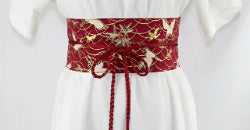
Inseparable from the female kimono, this wide belt structures the outfit and keeps it in place during Japanese ceremonies. Its width and rigidity help keep the garment secure while adding a touch of elegance. Materials vary according to the level of formality, ranging from simple fabrics to richly embroidered silks. The patterns and colors are coordinated with the kimono to create a harmonious ensemble, adapted to each event.
Tying the obi requires a precise technique, often mastered after rigorous learning. Several styles exist, each corresponding to a specific occasion or kimono category. An elaborate knot is suitable for formal ceremonies, while a more understated style adapts to less strict contexts. The obi thus contributes to the balance of the outfit and emphasizes the traditional character of the female kimono.
Zori sandals
Zori perfectly complement the female kimono and ensure aesthetic and practical balance. These traditional sandals, often made of rice straw, leather, or modern materials, bring lightness and comfort during Japanese ceremonies. Their minimalist design enhances the outfit while respecting the strict cultural codes associated with wearing a kimono. The choice of color and material influences the overall harmony of the ensemble.
To wear zori well and preserve the elegance of the outfit, it is advisable to:
- match the color of the zori to that of the kimono;
- choose slightly raised soles;
- wear tabi, white socks; and
- select a model appropriate for the type of ceremony.
These precautions ensure a neat silhouette and enhance the elegance of the female kimono.
How much does a quality female kimono cost?

Source: Freepik
The price of a quality female kimono largely depends on the fabric, manufacturing techniques, and complexity of the patterns. Cotton or synthetic models cost between 100 euros and 400 euros. These models are suitable for less formal occasions or for a first try. Standard silk kimonos generally range from 800 to 2000 euros, reflecting a more noble fabric and meticulous finishing. For artisanal pieces made by master weavers or hand-painted, prices hover around 3,000 euros and can exceed 8,000 euros, depending on the complexity of the patterns and the rarity of the craftsmanship.
In addition to the kimono, several associated elements influence the overall budget. For example, a good quality obi can cost from 300 to 1500 euros, while traditional undergarments, zori (sandals), and hair accessories can be worth 200 euros. Kimono rental remains a significant option with prices often ranging from 150 to 600 euros for a complete set, depending on quality and occasion. This option allows one to adhere to aesthetic codes without bearing the investment of a purchase.