














































What is the history of Japanese lamps?

Japanese lamps captivate with their beauty and subtlety. Their soft light transforms any interior or garden. But where do these iconic objects come from? In this review, discover the history of Japanese lamps, their evolution and the symbols they convey, as well as the different types that continue to illuminate Japanese culture.
The origins of Japanese lamps
The first Japanese lamps appeared in the 7th century, influenced by Chinese and Korean religious practices. In Buddhist temples, they were used to illuminate sanctuaries and symbolize spiritual light. Wood, combined with washi paper or linen, formed simple yet refined structures, allowing a soft, diffused light to pass through. These lamps were designed to create a meditative atmosphere, conducive to prayer and contemplation.
Over time, their use extended beyond the religious sphere. Lamps became domestic and decorative objects, integrated into traditional homes and gardens. Artisans perfected paper folding and wood shaping, giving rise to varied and harmonious forms. This evolution reflects a constant search for balance between:
- light;
- material; and
- space.
The diffused light and the shape of the lamp contribute to creating a warm and refined atmosphere, symbolizing the Japanese aesthetic philosophy centered on simplicity and natural elegance. Our Japanese lamp collection offers a varied range of items should you wish to acquire one.
How have Japanese lamps evolved over the centuries?

Source: Freepik
Over the centuries, Japanese lamps have adapted to social, cultural, and technological transformations. During the Edo period, they became popular in urban homes. Traditional houses used lamps to create soothing and warm atmospheres, contrasting with the lively city life. Wood and paper were perfected to produce a soft, less dazzling light, allowing for reading, working, or relaxing.
In the 19th century, the introduction of oil and then electricity changed their use. Traditional lamps continued to coexist with modern models, while retaining their aesthetic and symbolic value. Today, they are as much decorative objects as they are works of craftsmanship. They are used to create atmospheres in:
- restaurants,
- gardens; and
- festivals.
The ability of Japanese lamps to evolve while preserving their identity attests to the strength of Japanese tradition, which blends harmony, functionality, and refined aesthetics.
What do Japanese lamps symbolize?
Japanese lamps convey strong and varied symbolism. In temples, they represent divine light and purification, guiding worshippers and illuminating sanctuaries. In gardens and homes, they embody harmony, serenity, and the subtle beauty of spaces. Each lamp invites contemplation, meditation, and attention to the details of daily life.
The light they diffuse is soft, sometimes dim, creating an atmosphere conducive to reflection. Lamps thus become a symbol of calm and spirituality, but also a means of expressing Japanese artistic sensibility. Their presence recalls the importance of simplicity and the natural rhythm of light, reinforcing the idea that every object can bring balance and serenity to a space.
What are the different types of Japanese lamps?
Japan offers a wide variety of lamps, each with its own function and aesthetic. Among the best known, there are three main categories, each having spanned centuries while retaining its beauty.
Andon lamps
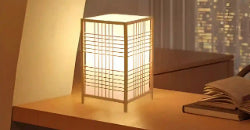
Andon lamps represent Japanese artisanal ingenuity in its simplest and most elegant form. Constructed around a light wooden frame and washi paper panels, they were designed to be portable and easy to handle. Traditionally lit by candles, they provided a soft, diffused light, sufficient for:
- reading;
- working; or
- moving around without glare.
In homes and workshops, their presence created an intimate and soothing atmosphere, transforming the space into a place conducive to concentration and relaxation. The subdued diffusion of light made each room warm, while the wood and paper structure reflected Japanese aesthetics based on sobriety and harmony with the environment.
Bonbori lanterns

Source: Freepik
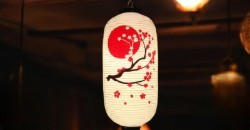
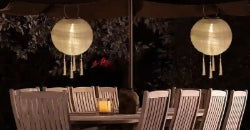
Bonbori lanterns hold an emblematic place in Japanese traditional festivals and ceremonies. Made of delicate paper or fine fabric, they can be suspended in the air or placed on specific stands, illuminating spaces with a soft, warm light. Their shapes and colors vary according to regions and occasions, often decorated with motifs representing:
- flowers;
- birds;
- scenes from daily life; or
- seasonal symbols.
This artistic diversity reflects the care given to each creation, transforming each lantern into a true aesthetic object that attracts the eye and inspires admiration. Bonbori do not merely illuminate. They structure spaces, guide visitors, and participate in the staging of celebrations.
Tōrō lanterns
Tōrō lanterns, often made of stone or metal, occupy a central place in Japanese gardens and the sacred spaces of temples. Their robust design symbolizes stability and permanence, while their soft light discreetly guides visitors and highlights important paths. Each model reflects a regional or historical variation, offering a diversity of shapes and sizes that enriches the landscape composition. These lanterns contribute to the overall harmony of the space, creating visual lines and focal points that enhance the surrounding natural or architectural beauty. Their presence evokes both tradition and elegance, transforming gardens and temples into places conducive to contemplation and serenity.
The light emitted by the Tōrō plays a major symbolic role. It connects man to nature and spirituality, while preserving traditional Japanese aesthetics. These lanterns continue to testify to the expertise of artisans, combining functionality and timeless beauty. Observing their glow in a garden or temple, one perceives a perfect balance between utility and symbolism, recalling the importance of every detail in the Japanese art of light.
In summary, the history of Japanese lamps illustrates the alliance between art, symbolism, and functionality. From their religious origins to their contemporary use, they embody beauty, serenity, and soft light. Each type of lamp (Andon, Bonbori, or Tōrō) tells a unique story and reflects the richness of Japanese culture. Their integration into modern spaces extends a luminous tradition, while bringing calm, poetry, and aesthetic balance to our environment.