


























































What to do in Japan?

Source: Freepik
Japan fascinates with its diverse landscapes, rich heritage, and the contrast between ancient traditions and modern innovations. Each region reveals its own identity, capable of captivating culture enthusiasts, nature lovers, and foodies alike. Discover the essentials of what to do in Japan in this review.
Top 5 Places to Visit in Japan
Japan is full of remarkable sites that illustrate its history, culture, and the beauty of its landscapes. Some destinations attract millions of travelers each year thanks to their unique character and the experiences they offer. Here are five iconic places that deserve a spot on any itinerary through the archipelago.
1. Discover Tokyo, the capital with a thousand faces
Tokyo captivates with its ability to combine modernity, tradition, and creativity in one space. The Japanese capital offers a succession of neighborhoods with very different identities, each with its own rhythm and atmosphere. Shibuya impresses with its famous scramble crossing, while Shinjuku concentrates numerous skyscrapers, restaurants, and shops. In Asakusa, the Senso-ji Temple recalls the city's historical past, while Akihabara attracts enthusiasts of new technologies, video games, and popular Japanese culture. This diversity makes Tokyo a city to understand contemporary Japan. Getting around is easy thanks to an efficient railway network that quickly connects the main districts.
The city also offers numerous cultural experiences. The gardens of Shinjuku Gyoen provide a pleasant break after the hustle and bustle of the shopping streets. The Tsukiji Outer Market allows visitors to discover seafood renowned throughout the country. Museums showcase Japanese history as well as modern art and science. Shopping enthusiasts appreciate Ginza for its major brands, while Harajuku highlights fashion trends. An evening stroll reveals another side of Tokyo thanks to its illuminated signs and lively streets. Each visit thus offers a new perspective on this constantly evolving metropolis, where traditions and innovations coexist naturally. Moreover, during your visit, you can treat yourself to quality Japanese clothing. Visit this collection to discover a wide range of items.
2. Explore Kyoto and its iconic temples
A former imperial capital, Kyoto preserves a large part of Japan's historical heritage. The city boasts hundreds of temples, Shinto shrines, and meticulously maintained gardens. The Kinkaku-ji Temple, covered in gold leaf, is considered one of the country's most famous monuments. The Fushimi Inari Taisha Shrine amazes with its array of red torii gates that snake up the mountain. The Gion district sometimes offers glimpses of geishas on their way to appointments. Kyoto also features traditional wooden houses, peaceful alleys, and tea houses where Japanese customs remain vibrant. Each stroll reveals a heritage carefully preserved for centuries.
However, a visit to Kyoto is not limited to its most famous temples. Many lesser-known sites allow visitors to discover another side of the city and appreciate its heritage from a different angle. You can:
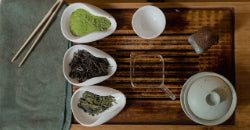
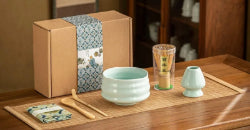
- participate in a tea ceremony;
- stroll through the Arashiyama bamboo forest;
- discover the Nishiki Market; and
- admire the temples' Zen gardens.
Kyoto also holds a special place among the must-see destinations for those who wish to discover Japan's cultural heritage.
3. Admire Mount Fuji, a symbol of Japan
Mount Fuji represents one of Japan's most famous landscapes. Rising to 3,336 meters, it dominates the island of Honshu and attracts thousands of hikers and photographers each year. Its almost perfectly conical silhouette appears in many Japanese works of art. The best times to observe it are generally from autumn to winter, when the sky is clear. Several sites offer remarkable panoramas, including the lakes of:
- the Fuji Five Lakes region;
- the Chureito Pagoda; or
- Kawaguchiko.
Each view reveals a different perspective on this sacred mountain, a UNESCO World Heritage site. Even without climbing it, admiring Mount Fuji remains a striking experience during a trip to Japan.
Hiking enthusiasts can climb Mount Fuji during the official season, which usually runs from early July to early September. Several routes allow reaching the summit depending on the desired difficulty level. Night ascents are particularly popular for watching the sunrise from the heights, a spectacle called goraiko. The surroundings also offer hot springs, museums, traditional villages, and natural areas suitable for walks. Whatever the season, Mount Fuji embodies a deep relationship between Japanese culture and nature. Its majestic presence often accompanies travelers long before their arrival in the region and remains a lasting memory after their stay.
4. Visit Osaka, between gastronomy and nightlife
Osaka attracts with its dynamic atmosphere, warm welcome, and its undeniable status as a hotspot for Japanese gastronomy. The city is celebrated for its specialties like takoyaki, okonomiyaki, or kushikatsu, served in numerous restaurants and street stalls. The Dotonbori district concentrates much of this vibrancy with its illuminated signs and many gourmet addresses. Osaka Castle, meanwhile, recalls the city's rich historical past and offers a beautiful view of the surroundings. The shopping districts (Namba and Umeda) attract both shopping enthusiasts and those wishing to discover the latest Japanese trends. Osaka thus combines heritage, local cuisine, and modernity in a warm atmosphere.
5. Marvel at the floating shrine of Miyajima
Miyajima Island is one of Japan's most beautiful sites, thanks to its famous Itsukushima Shrine and its massive red torii gate that appears to float on the sea at high tide. Located near Hiroshima, this destination offers a remarkable natural setting where mountains, forests, and coastline harmoniously converge. Built on stilts, this shrine is a UNESCO World Heritage site and captivates visitors with its remarkable and unique architecture. Depending on the tides, the landscape changes completely. At high tide, the torii seems to float on the water. At low tide, the receding water allows access to the site on foot. This constant transformation contributes to Miyajima's exceptional charm and makes each visit a different experience.
What are the activities to do in Japan?
Japan offers a wide variety of activities suitable for all types of travelers. Culture enthusiasts can:
- attend a tea ceremony;
- participate in a calligraphy workshop; or
- wear a traditional kimono for a visit.
Nature lovers will also find their happiness with hikes in the Japanese Alps, strolls under cherry blossoms, or excursions to the many islands of the archipelago. Japanese hot springs, known as onsen, offer an ideal relaxing break after a day of discovery.
To enrich your stay in Japan, you can:
- participate in a traditional festival;
- taste local specialties in markets and small restaurants;
- take the Shinkansen;
- spend a night in a ryokan; or
- explore the districts dedicated to manga.
This diversity of activities allows for a trip tailored to every desire. Between cultural discoveries, gastronomic experiences, modern leisure, and nature escapes, Japan promises varied memories at every stage of your stay.
What should you avoid doing in Japan?

Source: Freepik
Respecting local customs helps ensure a pleasant stay and avoid blunders. Speaking loudly on public transport is frowned upon, as is answering the phone in a train car. In temples and shrines, appropriate attire and discreet behavior demonstrate respect for the places. It is also advisable to remove one's shoes before entering certain homes, traditional accommodations, or marked areas. Sticking chopsticks vertically in a bowl of rice or passing food directly from chopstick to chopstick evokes funeral rites. These gestures should therefore be avoided during meals.
Waste sorting also holds an important place in daily life. With few public trash cans, many people keep their waste until they return home. Eating while walking is less common than in many countries, although this habit is changing in some large cities. It is best to respect queues, be punctual, and follow posted instructions in public places. Photographing people without their consent or entering private spaces can also be unwelcome. By adapting to these few rules of etiquette, it becomes easier to fully enjoy Japan's riches while respecting the habits of its inhabitants.