




























































Is it good to sleep on a tatami mat?

Source: Freepik
The tatami evokes a sober way of life rooted in Japanese tradition, where bedding prioritizes simplicity and contact with natural materials. This solution is appealing for its different approach to sleep and its unique comfort. Between tradition and the pursuit of well-being, sleeping on a tatami mat is gaining increasing interest. Discover in this review whether it is advisable to sleep on a tatami mat.
Japanese Tatami: What is it?
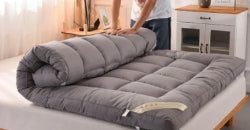
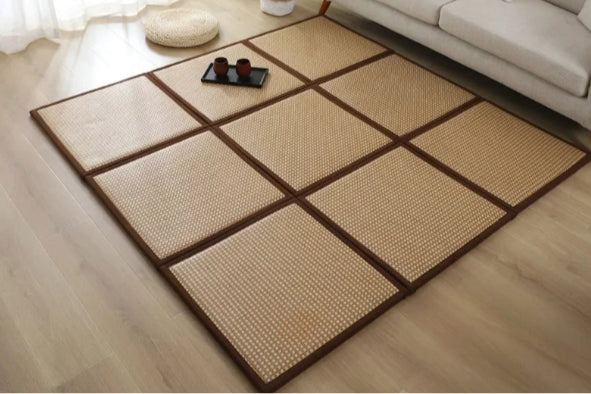
A tatami is a traditional floor covering originating from Japan. It consists of a compressed straw core or modern plant fibers. A woven rush mat covers the surface. This material offers a firm but slightly flexible texture. In homes, tatami serves as flooring, seating, and bedding. A futon is placed directly on it for sleeping.
This type of surface promotes direct contact with a stable support. Unlike a thick mattress, the body remains close to the floor. This particularity changes the perception of comfort. Some appreciate the feeling of support, while others need to get used to it gradually. The tatami remains above all a functional element, designed for simple and modular daily use.
Is it advisable to sleep on a tatami?
Sleeping on a tatami is suitable for many people, provided the body can tolerate firm bedding. The stable surface limits excessive movements during sleep and encourages a relatively straight posture. It is suitable for regular nights, as long as the body gradually adapts to the more rigid texture compared to a classic mattress. Adaptation remains an essential step to benefit from continuous and comfortable sleep.
Certain precautions are necessary to maximize comfort. Adding an appropriate futon or an intermediate layer can help balance the mat's firmness. Individuals with joint sensitivities or chronic pain should gradually introduce this type of bedding to avoid muscle tension. The Japanese tatami is therefore a viable choice for daily use, but it requires careful installation and attentive observation of the body's reactions. The balance between firm support and comfort remains crucial for this bedding to remain pleasant in the long term.
What are the advantages of a Japanese tatami?
The Japanese tatami combines tradition and functionality to create a simple and practical sleeping space. Its use directly influences the comfort, organization, and ambiance of the bedroom. Several specific characteristics make this bedding particularly interesting. Here are some advantages of the Japanese tatami.
Firm back support
The tatami offers a rigid sleeping surface that keeps the spine in a natural position. Unlike soft mattresses, it limits the sinking of the body and distributes weight evenly. This firmness helps reduce tension in the lower back and shoulders, promoting a more balanced posture during sleep. Spinal alignment improves gradually, which can alleviate chronic pain related to poor support.
Over time, this stable base allows the body to adapt to more uniform support. Back muscles relax, while joints experience less unnecessary strain. The tatami also facilitates a natural positioning of the hips and shoulders, reducing the formation of pressure points. This type of bedding is particularly beneficial for people sensitive to excessive sagging and those looking to optimize the quality of their rest. The combination of firmness and breathability of natural fibers contributes to restorative sleep, while offering a durable and ergonomic solution for the body.
Healthier sleep

Source: Freepik
Direct contact with a tatami promotes regular and restful sleep, thanks to a simple and uncluttered environment. The firm surface contributes to a natural alignment of the spine, which reduces pressure points and muscle tension. Proximity to the floor also limits the accumulation of dust and moisture around the bedding, contributing to better nocturnal hygiene. These characteristics create a conducive environment for deep and regenerating rest. To enhance sleep quality, you can:
- Aerate the room daily;
- Fold up the futon or mat during the day;
- Choose natural textiles for bedding;
- Avoid clutter around the bedding; and
- Regularly clean the surface with a cloth.
These simple actions extend the life of the tatami and optimize nightly comfort. They ensure a healthy and breathable environment, allowing you to fully enjoy the benefits of traditional Japanese bedding. The whole promotes complete recovery and quality sleep, essential for daily health and well-being.
Space-saving
Opting for a tatami significantly frees up floor space in a bedroom. Unlike a traditional bed, it does not occupy permanent space and facilitates the arrangement of small rooms. The futon is unfolded only for sleeping and then stored away, providing a clear and modular space. This approach transforms the room into a versatile place, able to adapt to daily needs without compromising sleeping comfort.
This space-saving comes with a visual impression of lightness and fluidity in the room. The simplicity of the tatami creates a minimalist and orderly atmosphere, where each element remains functional and aesthetic. Furniture can be placed more freely, and room maintenance becomes more practical. Residents thus benefit from a spacious and airy environment, while maintaining stable and comfortable bedding. This type of arrangement is particularly suitable for urban apartments, where every square meter counts and where space optimization contributes to a more pleasant and harmonious living environment.
What to do if you get cold sleeping on a tatami?
Sleeping on a tatami naturally exposed to ground contact, which is cooler than raised surfaces. Sensations of cold are particularly felt during winter nights or in poorly insulated rooms. To preserve body heat, it is advisable to add suitable layers such as a thicker futon or an insulating mattress topper, which enhance comfort while maintaining the firm support characteristic of the tatami. The combination of natural textiles also helps regulate temperature and limit accumulated humidity on the ground.
The choice of blankets and bedding complements thermal efficiency. Materials like wool or dense cotton provide pleasant insulation without compromising the tatami's ventilation. Regular room ventilation prevents cold air stagnation while preserving the longevity of the covering. These simple adjustments allow you to maintain the authentic tatami experience, combining firmness and proximity to the ground.
How to maintain a Japanese tatami?

Source: Freepik
The tatami retains its appearance and durability through regular and careful maintenance. Dust should be removed daily with a soft broom or dry cloth, always in the direction of the fibers, to preserve the integrity of the weaving. Prolonged exposure to humidity should be avoided to prevent mold formation. Natural ventilation of the room remains essential, as it helps regulate humidity and prevent the wood and plant fibers from deforming or deteriorating.
It is advisable to alternate the positions of the tatami from time to time to prevent localized wear. The use of a lightweight and breathable futon also helps limit humidity and the appearance of stains. Splashes or liquids should be wiped immediately with a slightly damp cloth, followed by quick drying. Consistent maintenance, combined with regular ventilation, ensures that the tatami remains both comfortable and aesthetic, while retaining its natural and breathable properties for many years.