



















What are traditional Japanese shoes called?

Source: Freepik
Japan boasts a sartorial heritage that has fascinated for centuries. Traditional clothing often catches the eye, but footwear also plays an essential role. Each model accompanies a specific outfit and serves a particular purpose. Discover in this review the names of traditional Japanese shoes and their characteristics.
Traditional Shoes: What are their names?
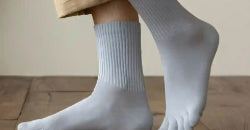
The sartorial heritage includes several shoe models that have become true cultural symbols. Each creation serves a specific purpose and accompanies an outfit adapted to the seasons, ceremonies, or daily life. The geta is among the best known, thanks to its raised wooden sole. Zori offer a more sober look and often complement formal attire. Waraji, made from woven plant fibers, recall the travels of pilgrims and monks of yesteryear. Tabi, which separate the big toe from the others, are worn with these sandals to improve comfort and daily life. Each model testifies to a savoir-faire passed down through generations.
The variety of traditional Japanese shoes is explained by their functions, manufacturing materials, and the contexts in which they are worn. Wood, straw, bamboo, leather, and textiles reinforce their identity and durability. Some pairs accompany a kimono during a celebration, while others go with a yukata during summer festivals. Despite the evolution of fashion, these shoes retain an important place in Japanese culture. Their timeless aesthetic also attracts enthusiasts of craftsmanship, tradition, and Japanese-inspired clothing. Each model reflects a balance between functionality, elegance, and cultural heritage.
What are the different types of geta?
Geta come in several models, each responding to a use, an outfit, or a period of the year. Their design varies according to the sole height, the materials used, and the desired level of comfort. The table presents the different types of geta and their essential characteristics.
|
Type of geta |
Characteristics |
Main use |
|
Hiyori geta |
Classic wooden model with two medium-height teeth. |
Daily wear, walks, and festivals with a yukata |
|
Taka geta |
Very high sole that further elevates the foot. Design inspired by ancient models |
Traditional ceremonies, shows, and cultural events |
|
Pokkuri geta |
Thick geta, often lacquered and decorated. Produces a characteristic sound when walking |
Worn by young apprentice geishas and on traditional occasions |
|
Ashida geta |
Raised sole to limit contact with wet or muddy surfaces |
Rainy weather and walking on wet paths |
|
Tengu geta |
Model with a single central support under the sole. |
Demonstrations, traditional arts, and symbolic practices |
|
Modern geta |
Manufacturing combining wood with contemporary materials to improve comfort |
Daily use with a traditional or casual outfit |
How to choose the right geta?
The choice of geta depends primarily on the intended use and the desired level of comfort. The sole height directly influences stability and ease of walking. Lower models are better suited for regular movement, while higher versions are associated with traditional events. The material also plays an important role, especially the wood used for the base and the straps that ensure the foot's support. Paying particular attention to these elements allows for a better balance between aesthetics and practicality.
Comfort also depends on the foot's morphology and the type of tabi socks used with the sandal. A suitable size limits friction and improves stability when walking. The finishes also influence the experience, particularly the softness of the straps and the quality of the crafted wood. Some modern models incorporate additional adjustments to facilitate daily use. A thoughtful selection thus makes it possible to reconcile Japanese tradition and contemporary comfort without compromising the elegance of the outfit.
How to wear Japanese geta correctly?

Source: Freepik
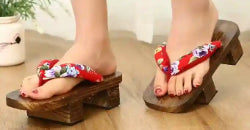
Wearing geta relies on a balance between foot support and adapting to one's gait. This traditional Japanese sandal is distinguished by its raised sole, which requires a stable posture and a measured step. The placement of the foot on the upper board directly influences comfort when walking. Correct adjustment helps reduce friction between the toes and the strap, called hanao, while ensuring better stability. This type of footwear often accompanies outfits such as the yukata or some light kimonos.
The association with tabi also improves the wearing experience by providing additional support and limiting irritation. The choice of size plays an essential role, as geta that are too wide or too narrow can unbalance the posture. Flat surfaces are more suitable for beginning to learn how to walk with this type of footwear. Gradual adaptation allows one to acquire a natural and regular gait, while respecting the aesthetic codes linked to Japanese tradition.
Where to buy geta?
Traditional Japanese footwear can now be found in several specialized retail outlets. Japanese craft boutiques offer authentic models made according to ancient methods, with carefully crafted wood and precise finishes. Some traditional clothing stores also offer geta adapted to kimonos and yukatas, especially during festival periods. Online platforms also provide access to a wide selection, ranging from classic models to modernized versions, with different sizes and styles available as needed.
The choice often depends on the desired level of authenticity and the intended use. Artisan workshops remain favored for obtaining durable pieces faithful to tradition. Japanese urban boutiques also present more contemporary models, designed for everyday use. Cultural markets and events dedicated to Japanese art sometimes offer the opportunity to discover unique creations. Each distribution channel meets different expectations, balancing tradition, comfort, and adaptation to current trends.