











































How to Create a Japanese-Inspired Home Decor: A Complete Guide

Source: Freepik
Adopting Japanese decor at home can transform your interior into a soothing and balanced space. This style is based on simplicity, natural light, and authentic materials. How can you recreate this ambiance at home without being an expert? Find tips on how to create Japanese decor at home in this review.
Japanese decor: origin and definition
Japanese decor is rooted in Japan's history and traditions. It is inspired by old wooden houses, Zen temples, and tea pavilions. This style values nature, sobriety, and functionality. Each element has a precise meaning and contributes to the overall balance. The influence of Zen Buddhism encourages simplicity and minimalism. Thus, the space breathes and invites calm.
In Japanese decor, harmony takes precedence over accumulation. Lines remain clean, and natural materials dominate. Light wood, bamboo, paper, and cotton structure the whole. Rooms appear tidy and bright. Nothing is left to chance. The goal is to create a peaceful sanctuary, comparable to an indoor garden. This approach transforms the home into a place of relaxation and refocusing.
4 tips for creating Japanese decor at home
Achieving Japanese decor at home is based on simple principles. Every choice, from furniture to colors, must promote harmony and sobriety. Here are some tips for structuring a soothing interior faithful to the Japanese spirit.
1. Focus on authentic and natural materials
The choice of materials is essential for successful authentic Japanese decor. Light wood, bamboo, rattan, or stone create a sober and warm atmosphere. These elements recall traditional Japanese architecture. They provide stability and strengthen the coherence of the whole. In a living room, a light oak floor or a solid wood coffee table structures the space with simplicity. Natural textiles complete this approach by softening the environment.
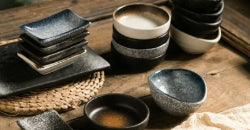
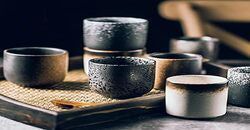
Authenticity also relies on the quality and durability of selected materials. Japanese decor favors raw, minimally processed surfaces that retain their original texture. Veined wood and artisan ceramic add style and elegance to your interior. These materials create character without clutter. This sobriety promotes a soothing and timeless interior. By limiting synthetic materials and glossy finishes, the space gains harmony and naturalness. The chosen materials then become the true foundations of coherent and elegant Japanese decor.
2. Adopt a soft and soothing color palette
To create an authentic Japanese ambiance, it is essential to favor sober and natural colors. Cream tones, beige, light gray, or pastel green bring calm and balance to a room. These shades evoke Japanese landscapes and integrate easily with different types of furniture. A harmonious palette facilitates visual coherence.
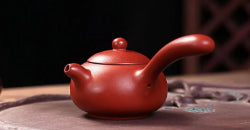
Color accents should remain measured and strategic to highlight details without disturbing the balance. Introducing an element with warmer tones, such as a red wooden accessory or a terracotta cushion, creates a focal point without overwhelming the whole. The combination of neutral colors and small colorful accents produces an elegant and soothing result. This approach promotes visual continuity between different spaces and enhances Japanese decor while reinforcing the desired Zen effect.
3. Prefer low and minimalist furniture
In Japanese decor, the choice of furniture strongly influences the balance of the space. Low furniture, such as tables and seating close to the floor, promotes an intimate and soothing atmosphere. They create proximity to the environment while highlighting the verticality and brightness of the rooms. This approach contributes to fluid circulation and a sense of openness, essential for preserving overall harmony.
Minimalism is also a central element. Each piece of furniture must be chosen for its function and aesthetics, without cluttering the room. Sobriety allows for highlighting the beauty of natural materials and creating clear and balanced lines. Uncluttered spaces enhance the perception of light and depth. Adopting low and minimalist furniture facilitates the integration of subtle and authentic decorative elements, while respecting the Zen spirit characteristic of Japanese decor.
4. Incorporate shōji-inspired partitions and elements
Light partitions are an essential element of Japanese-style interior design. They combine functionality and fluidity in your home. Made of wood and translucent paper, these partitions diffuse soft light, creating a warm and soothing atmosphere. Their presence helps subtly delimit living areas, such as a reading corner, a living room, or a dining area, without visually cluttering the room. To introduce these elements harmoniously, you must:
- install wooden and paper sliding panels;
- install lightweight and modular screens;
- use wooden frames with translucent inserts.
These options offer great flexibility and allow for adapting the layout according to the function of each space. By combining natural materials and clean lines, shōji-inspired partitions enhance the authenticity of Japanese decor. They also add a refined aesthetic touch while optimizing light and circulation within the home.
What are the emblematic objects of Japanese decor?

Source: Freepik
In Japanese decor, certain symbolic objects reflect the very essence of this minimalist and soothing style. They combine aesthetics, functionality, and a connection to nature, all while valuing simplicity. The table below presents the essential emblematic elements for successful authentic Japanese decor.
|
Object |
Description |
Role in Japanese decor |
|
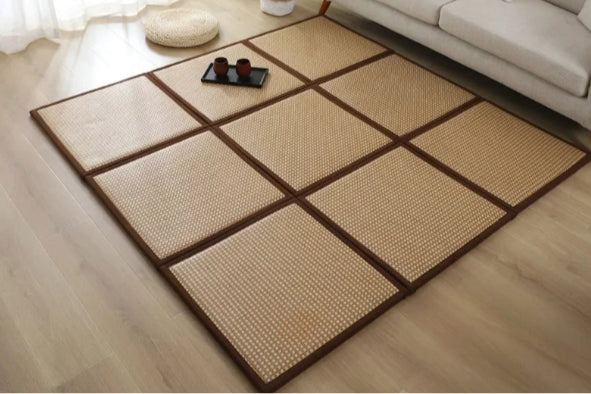
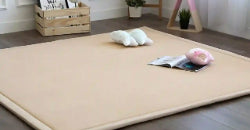
Tatami |
Woven rush or rice straw mat |
Structures the floor and provides comfort and authenticity |
|
Futon |
Thin traditional mattress, often rollable |
Offers modular sleeping while maintaining sobriety |
|
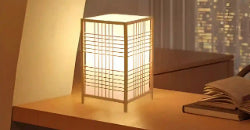
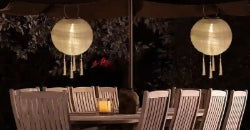
Paper lanterns |
Light lamps made of rice paper |
Diffuses soft light and creates a soothing atmosphere |
|
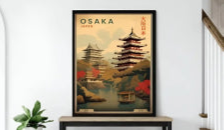
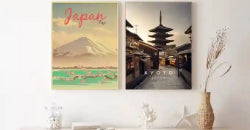
Japanese prints |
Framed traditional illustrations |
Decorates walls with elegance and evokes Japanese culture |
How to create Japanese decor on a budget?
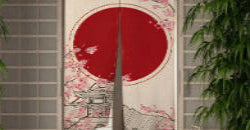
Arranging an interior according to the principles of Japanese decor can be done without excessive spending. It is enough to favor simplicity and coherence in choices. Repainting walls in neutral tones, installing light curtains, and reorganizing existing furniture already helps to create a soothing ambiance. Natural textiles like linen or cotton can replace more expensive fabrics and bring warmth and authenticity. A few carefully chosen accessories are enough to establish a Zen and harmonious atmosphere.
Optimizing existing resources also facilitates the transformation of the space. Recycling or repurposing old furniture allows for maintaining a minimalist style while respecting the budget. Adding a green plant or a small bonsai reinforces the connection with nature. Simple decorative elements, such as paper lanterns or artisan ceramics, subtly complete the ensemble. This progressive and thoughtful approach ensures authentic, pleasant Japanese decor that remains affordable. It demonstrates that balance and serenity do not depend on a significant investment, but on a thoughtful choice of materials and objects present.