


























Japanese vs. Chinese Chopsticks: What's the Difference?

Source: Freepik
Chopsticks are an integral part of meals in East Asia. Yet, few people truly distinguish between Japanese and Chinese models. Behind an apparent similarity lie precise differences in shape, size, and use. Understanding these nuances allows one to better choose their chopsticks and adopt the right gestures at the table. Find out the difference between Japanese and Chinese chopsticks in this review.
Japanese and Chinese Chopsticks: Definition
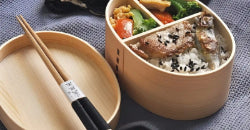
Present for centuries in East Asian culinary traditions, Japanese chopsticks play an essential role in tableware in Japan. Called hashi, they are designed to accompany meals composed of individual portions. Their size is generally between 20 and 23 centimeters. Their fine tip allows for precise handling of delicate foods like fish, vegetables, or rice. They are often made of lacquered wood or bamboo, with particular attention paid to the finishes. Japanese chopsticks are part of a gastronomic culture attentive to detail and respect for traditional gestures.
In China, chopsticks are also an integral part of daily life. Known as kuàizi, they usually measure between 24 and 27 centimeters. They are produced in wood, bamboo, metal, or plastic depending on the usage. Their manufacturing prioritizes robustness and practicality. Chinese chopsticks reflect an ancient culinary tradition, deeply rooted in family and convivial habits.
5 Essential Criteria to Distinguish Japanese and Chinese Chopsticks
Establishing the differences between Japanese and Chinese chopsticks requires careful observation of several concrete elements. Certain details, generally discreet at first glance, nevertheless reveal the origin and use of each model. Here are some points to consider to easily recognize each type of chopstick and better guide your choice.
1. Length
The difference in length is one of the most obvious indicators between Japanese and Chinese chopsticks. Japanese models are shorter, generally ranging from 20 to 23 centimeters. This dimension is adapted to individual meals, where each guest has their own bowls. A shorter chopstick improves the precision of the gesture and allows for controlled gripping of delicate foods. It is particularly suitable for preparations like grilled fish or sashimi, which require finesse and stability.
Conversely, Chinese chopsticks are distinguished by their greater length, often between 24 and 27 centimeters. This characteristic corresponds to shared meal habits, where dishes are placed in the center of the table. A greater reach facilitates serving without encroaching on other guests' space. It also allows for handling larger pieces or cooking in deep containers. Thus, length reflects a marked cultural difference between Japanese and Chinese chopsticks and concretely influences the dining experience.
2. Decoration and Patterns
The decoration of chopsticks is a revealing clue to distinguish Japanese and Chinese models. Japanese chopsticks are generally recognized by their elaborate ornaments and delicate details. Cherry blossoms, maple leaves, or geometric patterns inspired by the seasons frequently adorn their upper part. Lacquered finishes add an elegant touch and reinforce the wood's resistance. This attention to patterns reflects the importance of aesthetics in Japanese table art.
On the Chinese side, chopstick decoration often remains more understated. Traditional models favor plain surfaces in light or dark wood. Some examples feature Chinese characters symbolizing luck or prosperity. However, ornamentation often remains discreet to promote daily and practical use. This difference in style highlights two distinct cultural approaches. Japanese chopsticks place more emphasis on decorative expression, while Chinese chopsticks prioritize functional simplicity and robustness.
3. The Shape of the Tips
Among the differences between Japanese and Chinese chopsticks, the tip is a reliable indicator. Japanese chopsticks have a fine, tapered tip. This design improves precision when picking up delicate foods. It facilitates handling fish, thin vegetables, or small portions of rice. The narrowed tip offers better control of the movement and limits slipping.
Chinese chopsticks have a more broad and less pointed tip. Their slightly rounded or square shape is suitable for larger pieces and saucy dishes. This design ensures a stable grip during shared meals. To effectively distinguish between the models, you need to:
- observe the degree of tapering of the tip;
- compare the thickness of the ends; and
- check the stability when picking up various foods.
4. Cultural Use
Japanese and Chinese chopsticks reflect deeply ingrained culinary traditions. In Japan, each diner has their own chopsticks and their use follows strict rules of etiquette. Sticking chopsticks into rice, crossing them, or passing them directly to another person is considered inappropriate. These practices demonstrate a concern for respect and precision in movement, which accompanies the attention paid to the presentation of dishes and individual tasting. The shorter size and fine tip of Japanese chopsticks facilitate these delicate uses.
In China, the use of chopsticks is part of a collective dynamic. Diners generally gather around common dishes placed in the middle of the table. Guests use their chopsticks to serve themselves and participate in the communal meal, thus promoting convivial interaction. Chinese chopsticks, longer and more robust, adapt to this practice, allowing easy grabbing of portions from common dishes. The materials and design remain practical and offer durability. These cultural differences explain why observing local customs significantly enhances the dining experience.
5. Materials and Finishes

Source: Freepik
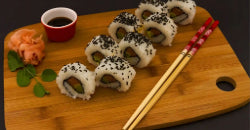
Japanese chopsticks stand out for the care taken in the choice of materials and the precision of their finishes. Lacquered wood, often used, provides both lightness and strength. This lacquer creates a slightly adhesive surface, facilitating the gripping of delicate foods like sushi or sashimi. Bamboo is also a common choice, appreciated for its natural robustness and pleasant texture. Some Japanese chopsticks are carefully polished, and their fine tips reflect precise craftsmanship, ensuring comfort and maneuverability. The combination of material and finish ensures prolonged durability while respecting the minimalist aesthetic typical of Japanese traditions.
On the Chinese side, the materials used are more varied. Wood and bamboo remain popular, but some models include plastic or metal, especially for daily or professional use. Finishes are generally simpler, primarily aiming for practicality. Chinese metal or plastic chopsticks withstand frequent washing and repeated handling. The smooth texture facilitates cleaning, but may require more precision to pick up certain foods. Thus, the difference between Japanese and Chinese chopsticks is also revealed in the choice of materials and the care taken in finishes, reflecting distinct cultural uses.
Why Distinguish Between Chopsticks?
Distinguishing between Japanese and Chinese chopsticks goes far beyond mere visual appearance. This difference influences how one eats, picks up food, and respects traditional customs. Japanese chopsticks, being shorter and more tapered, are suitable for individual portions and delicate dishes. Chinese chopsticks, being longer and often wider, are adapted for shared dishes placed in the center of the table. Understanding these specificities helps to avoid cultural faux pas and to adopt appropriate behavior during an Asian meal.
Beyond the cultural aspect, distinguishing between chopsticks also improves user comfort. The length, the shape of the tips, and the material influence the precision of the gesture and the stability of the food. Using an unsuitable model can make gripping more difficult, especially for beginners. Knowing the distinctions between Japanese and Chinese chopsticks therefore facilitates an informed choice. This knowledge enhances the culinary experience and reinforces respect for the traditions associated with each country.